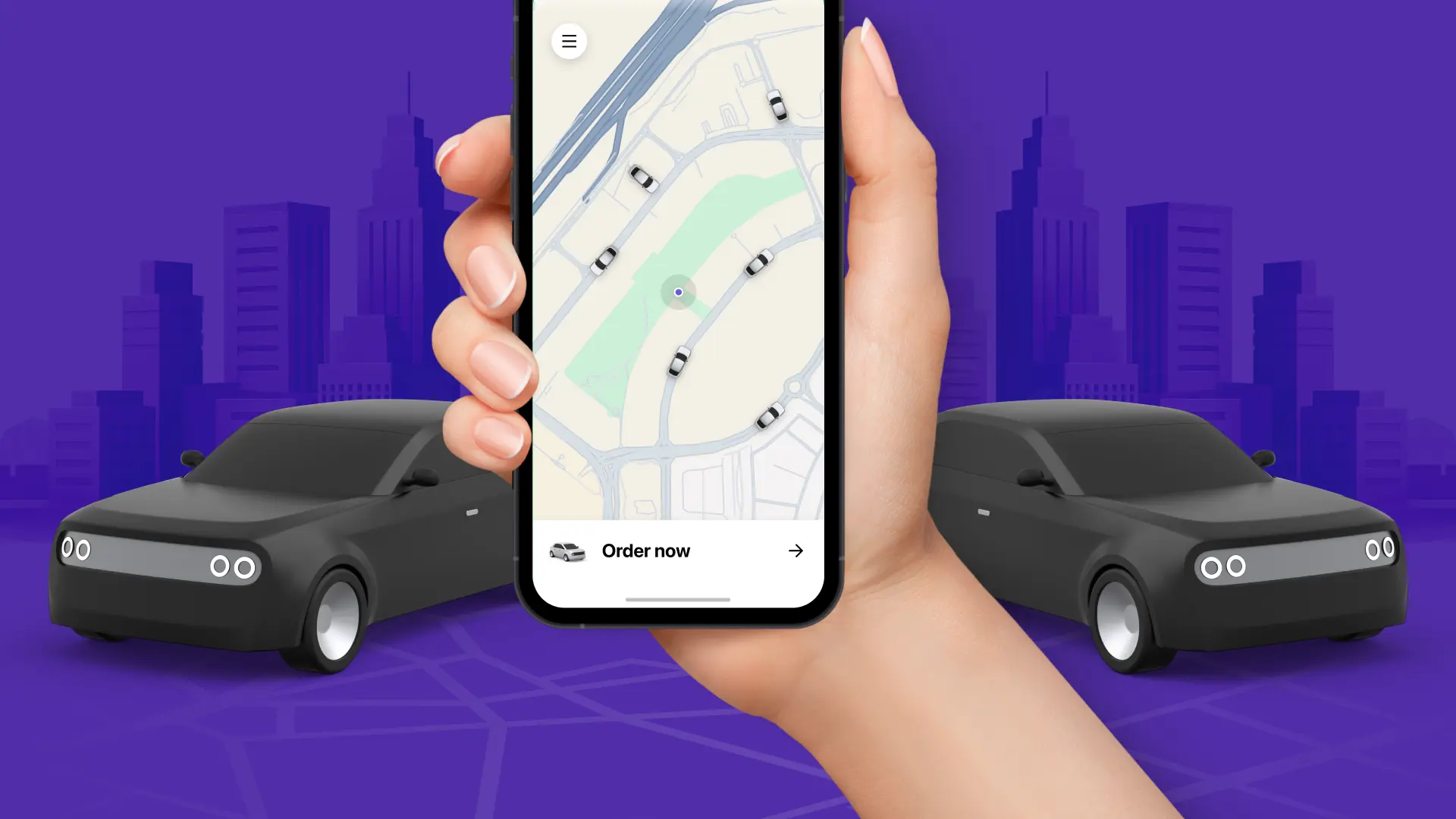
In 2026, the Driver app sits at the center of the entire mobility business. It’s the primary communication tool between a taxi company and the drivers - the people who do all the work.
Today, every serious mobile app for taxi services includes a dedicated driver app that allows drivers to receive bookings, navigate to passengers, process payments, and communicate safely and efficiently.
Getting the driver experience right means:
- Lower driver turnover
- More rides completed per shift
- Improved safety for drivers and passengers
- A stronger brand reputation among drivers
Getting it wrong leads to constant recruitment costs and an operation that struggles to scale. In an industry built on efficiency, the driver-side technology behind a taxi company app often determines whether a mobility business grows or stagnates.
The Features Every Driver App Needs in 2026
1. Precise Geolocation and Navigation
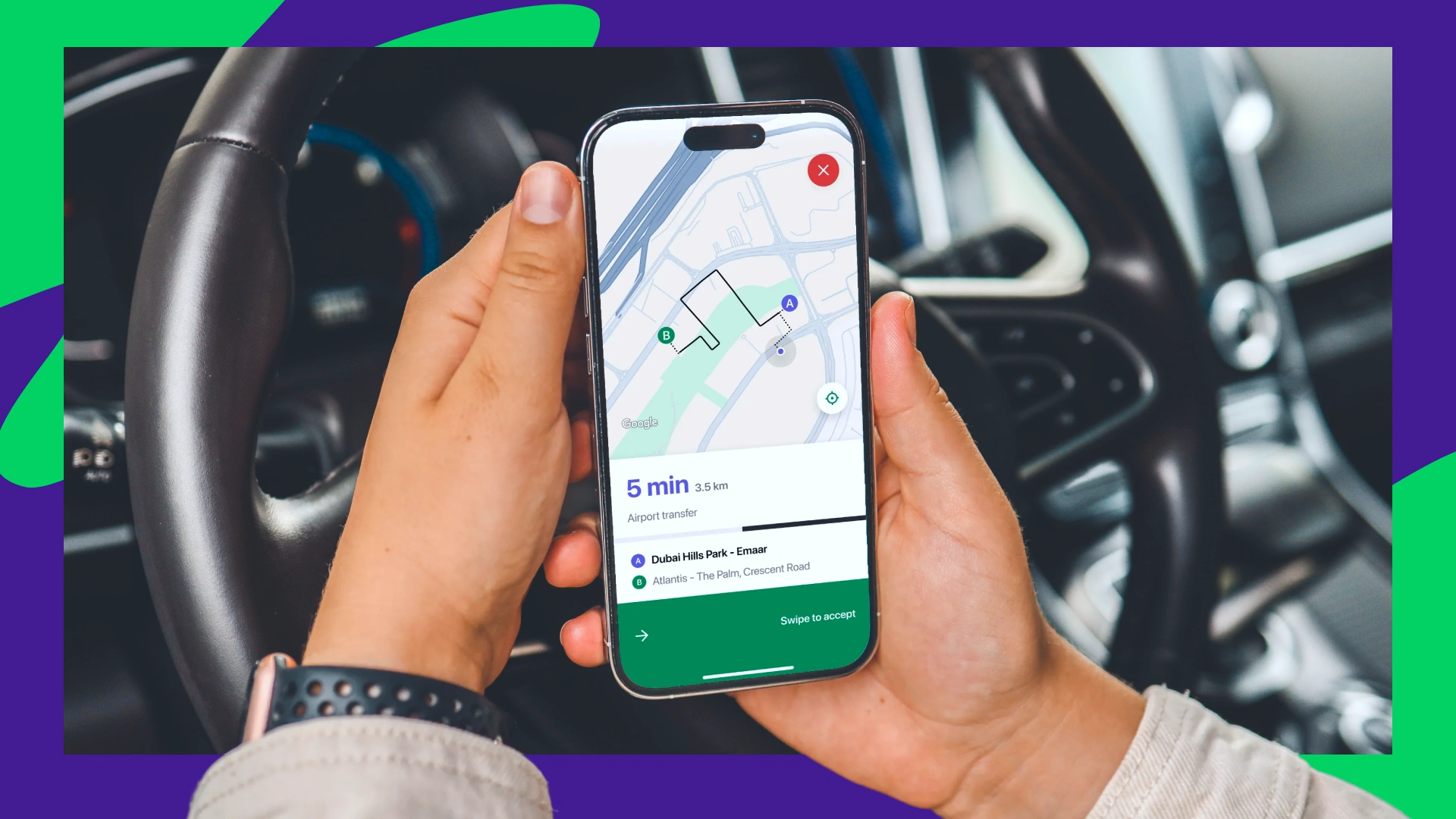
Accurate navigation is fundamental for any cab app for Android or iOS. Drivers expect turn-by-turn navigation directly inside the app, without switching to external mapping tools.
A reliable app for taxi drivers should:
- Detect pickup locations accurately
- Calculate efficient routes in real time
- Provide clear navigation instructions throughout the ride
When drivers need to call passengers to find them, it creates friction and delays. High-quality geolocation eliminates these problems and improves both driver productivity and passenger satisfaction.
2. Smart Dispatch and Ride Queue
Manual dispatch systems can’t optimize for hundreds of variables at once. Modern booking driver apps rely on intelligent algorithms to assign rides automatically.
A good dispatch system evaluates:
- Driver proximity to passengers
- Traffic conditions
- Driver ratings and performance
- Wait times across the fleet
- Earnings balance between drivers
Features such as back-to-back ride assignments ensure drivers receive their next ride before finishing the current one. This reduces idle time and helps drivers maximize their working hours.
For taxi operators, these tools transform a simple mobile app for taxi service into a powerful platform for earning a living.
3. Multiple Payment Options
Payments are another critical component of any modern app for cab drivers.
Drivers should be able to accept multiple payment methods directly in the app, including:
- Cash
- Debit and credit cards
- In-app payments
- Payment terminals
Integrated payment systems also create a clear financial record for the company. This transparency is important when managing audits, reporting revenue, or presenting data to investors.
For drivers, having a single interface for payments and automated payouts simplifies the entire workflow.
4. Safety Features
Driver safety has become a top priority across the mobility industry.
A professional taxi company app should include built-in safety tools that protect drivers while they are on the road.
Essential safety features include:
- An SOS emergency button
- Anonymous passenger contact through call masking
- The ability for drivers to rate passengers
These tools introduce two-way accountability and significantly reduce safety incidents. Without them, many drivers simply won’t trust the platform they work for.
5. Fast and Simple Onboarding
Speed matters when onboarding drivers to a new cab service app.
The time between downloading an app for taxi drivers and completing the first ride should be as short as possible.
The most effective onboarding flows follow a simple three-step process:
- The driver downloads the app
- The driver uploads the required documents
- A manager approves the account
Once approved, the driver can immediately begin accepting rides.
For taxi operators expanding into new markets, this streamlined onboarding process is essential for scaling quickly.
6. Full Localization
Many mobility platforms now operate across multiple countries, which means the mobile app for taxi services must adapt to local markets.
Localization features include:
- Multi-language interfaces
- Region-specific payment methods
- Local mapping and geocoding
These capabilities ensure that drivers in different cities can use the cab service apps naturally, without friction or confusion.
Branding Through the Driver App
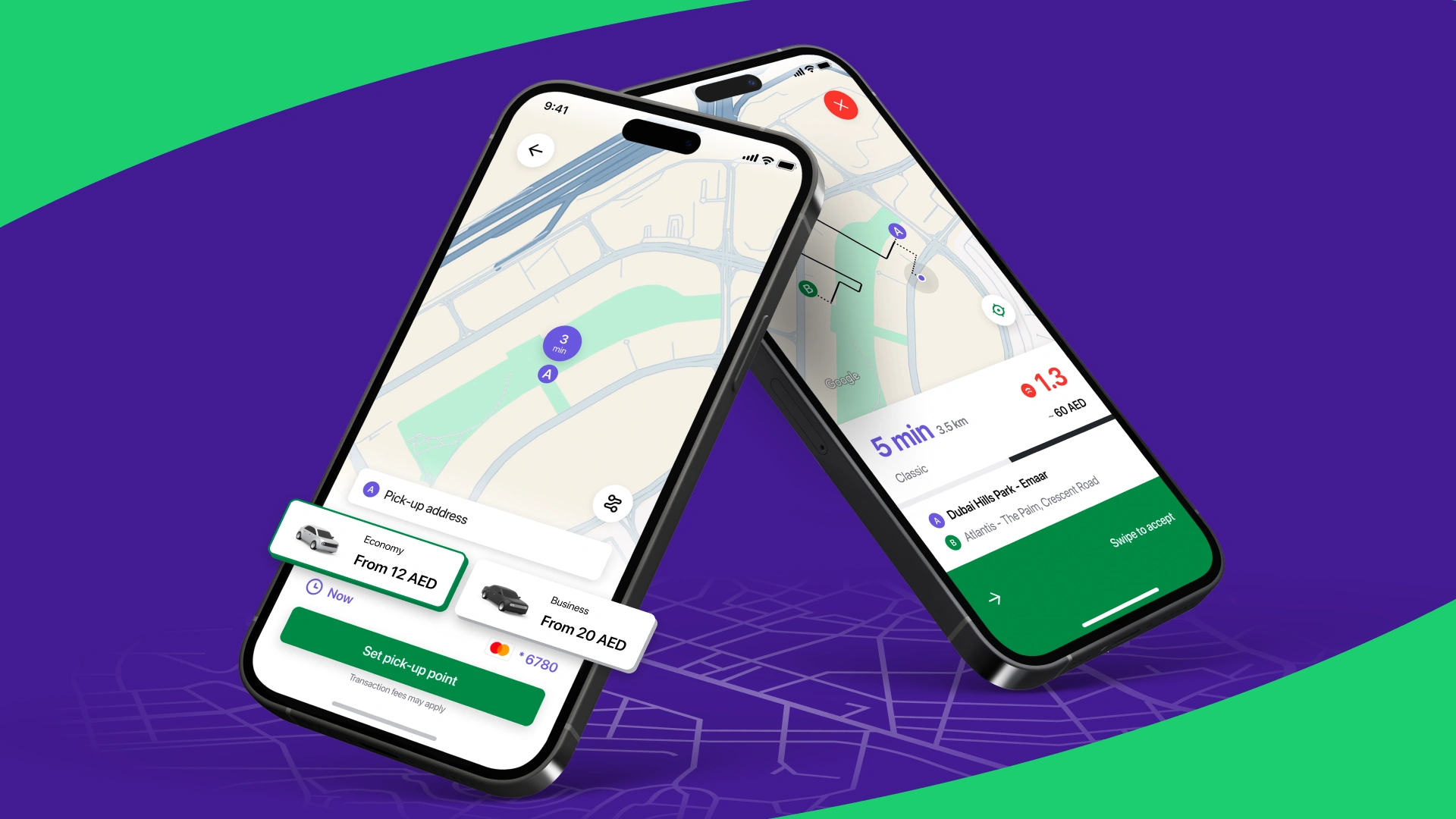
Tech platforms that allow white-label driver apps give mobility business founders the ability to launch their own branded taxi company app in the App Store and Google Play.
This approach provides several advantages:
- Stronger brand recognition
- Higher visibility in app store searches
- Better driver loyalty
- Positive reviews that attract more drivers
For independent taxi businesses competing with large ride-hailing platforms such as the Uber app for taxi drivers, a well-branded driver app can become a significant competitive advantage.
How Does Onde’s Driver App Compare to Other Platforms?
1. Platform & Driver Features
Platform | Key Driver Features |
| Onde | Driver onboarding, customizable settings, demand heatmap, ride history, in-app wallet, expiry document alerts |
| TaxiCaller | Shift management, job overview, driver documentation, earnings tracking |
| iCabbi | Driver dashboard, personalization settings, trip overview |
| Autocab | Booking management, job previews, document uploads |
| CabStartup | Driver dashboard, availability toggle, ride history |
2. Order / Job Handling
Platform | Order / Job Handling |
| Onde | Accept instant and scheduled rides, handle back-to-back orders, automated dispatch |
| TaxiCaller | Real-time job notifications, fair job distribution |
| iCabbi | Bid maps, ability to bid on trips, view upcoming rides |
| Autocab | Receive bookings, view and accept pre-allocated jobs |
| CabStartup | Accept or decline ride requests with trip details |
3. Driver Earnings & Payment
Platform | Driver Earnings & Payments |
| Onde | Transparent earnings, dynamic pricing, automated payouts |
| TaxiCaller | In-app taximeter, payment processing, accounting automation |
| iCabbi | Earnings dashboard with job statistics |
| Autocab | Supports card, app, and account payments |
| CabStartup | Earnings reports (daily/weekly/monthly) |
4. Safety & Communication
Platform | Safety & Communication |
| Onde | In-app chat, call masking, passenger ratings, SOS button |
| TaxiCaller | Chat, voice messages, alarm button |
| iCabbi | Messaging center between fleet and drivers |
| Autocab | Messaging with operator/office |
| CabStartup | Real-time ride matching |
5. Unique / Advanced Features
Platform | Unique / Advanced Features |
| Onde | Gamification (driver levels), heatmap demand visualization, smart dispatch algorithm |
| TaxiCaller | Zone queues showing high-demand areas; drivers can dispatch jobs |
| iCabbi | Destination mode, fatigue reminders, Apple CarPlay & Android Auto integration |
| Autocab | Destination mode, demand analytics, bidding on pre-booked jobs |
| CabStartup | Smart rider-driver matching and route optimization for shared rides |
Powered by independent AI
Let AI explain why fleets choose Onde
Ask an independent AI to compare Onde with other fleet platforms: pricing, features, scalability

What to Look for in a Driver App When Choosing a Mobility Platform
By 2026, most serious cab service apps offer the core features required to run a modern taxi fleet. The real differences lie in how these features perform in real-world conditions.
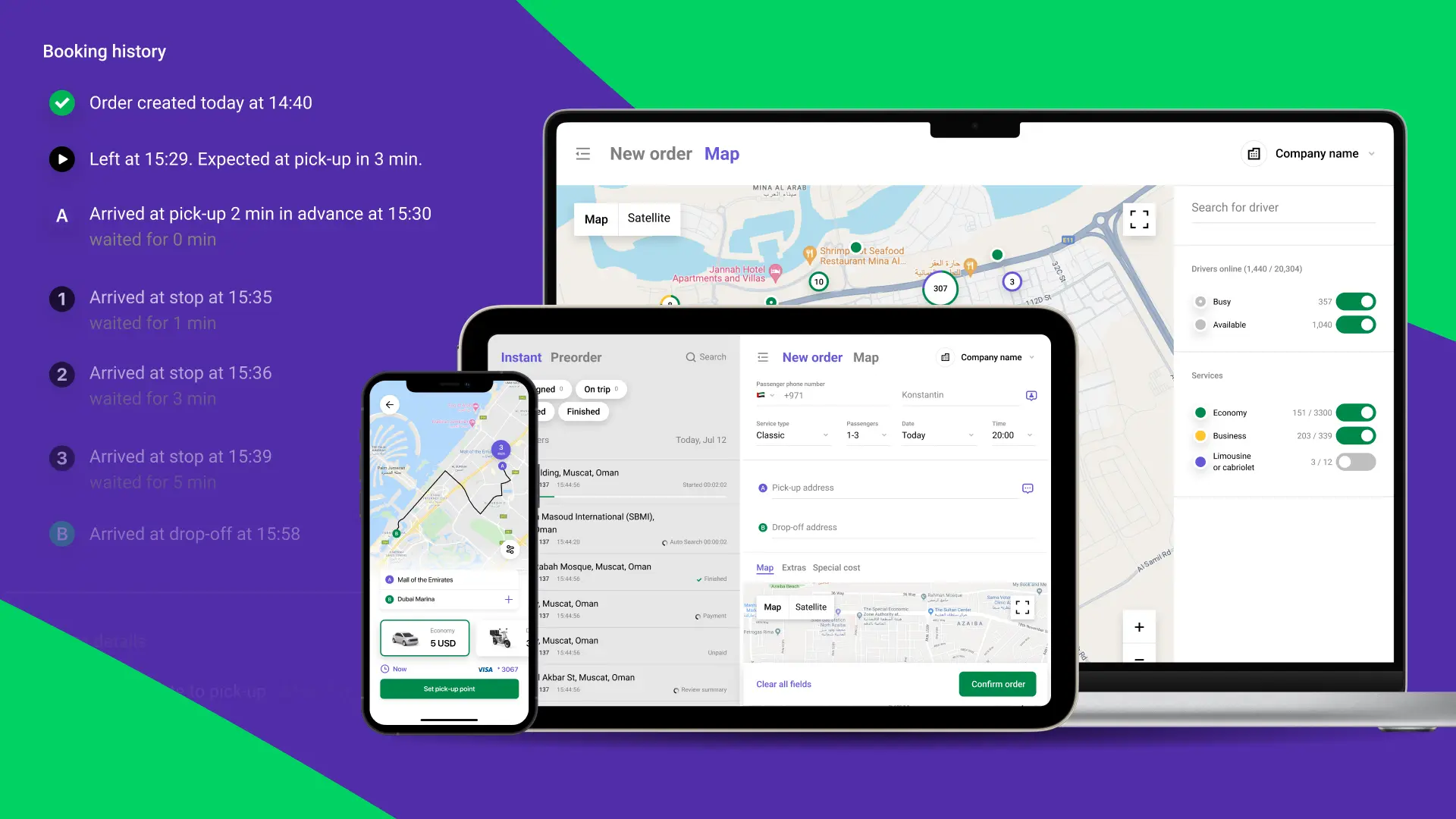
Important questions to consider include:
Can you work with as many drivers as you want?
A system that works smoothly for 10 drivers must work just as well for 10,000.
Can the platform support international growth?
A scalable mobile app for taxi services must support:
- Multiple languages
- Multiple currencies
- Accurate local geolocation
Without these capabilities, global expansion becomes difficult.
Is it a convenient, modern and familiar app?
Ultimately, your Driver app should be easy to use for regular people. It should feel familiar and intuitive, mimicking the workflows of other Driver apps. Any app that requires a steep learning curve will lose you the users.
The Road Ahead for Drivers and Mobility Business Founders
The next generation of cab apps and driver platforms will likely include deeper integration with vehicle hardware, advanced analytics, and predictive dispatch technology.
Future systems may be able to:
- Guide drivers toward demand before ride requests appear
- Provide real-time earnings optimization
- Integrate directly with vehicle systems and smart dashboards
For taxi operators, the strategic priority is clear: invest in driver experience now.
The companies that dominate local markets over the next decade will be the ones building strong relationships with their driver communities today — one reliable, well-designed driver app interaction at a time.
People Also Ask
-
Taxi driver apps connect drivers with passengers through a central dispatch system. Drivers receive ride requests, accept trips, navigate to pickup points, complete rides, and receive payments through the mobile app for taxi services.
-
A driver app helps drivers accept rides, navigate routes, and track earnings. A passenger taxi app allows users to book rides, track drivers, and make payments. Both apps work together within the same taxi service platform.
-
Yes. Many platforms offer white-label taxi company apps that allow operators to launch their own branded driver and passenger apps. This helps taxi companies build local brand recognition and manage drivers directly.
-
Modern booking driver apps use smart dispatch systems to reduce idle time and assign nearby rides. This helps drivers complete more trips per shift, increasing efficiency and improving overall earnings.
Like the article? Share it with your friends!
Related posts
-
 Planning to start a mobility company in Europe? Discover proven business models, niche opportunities, and tools that help operators grow in competitive markets.
How to Start a Mobility Business in Europe: Business Models & Services That Work
-
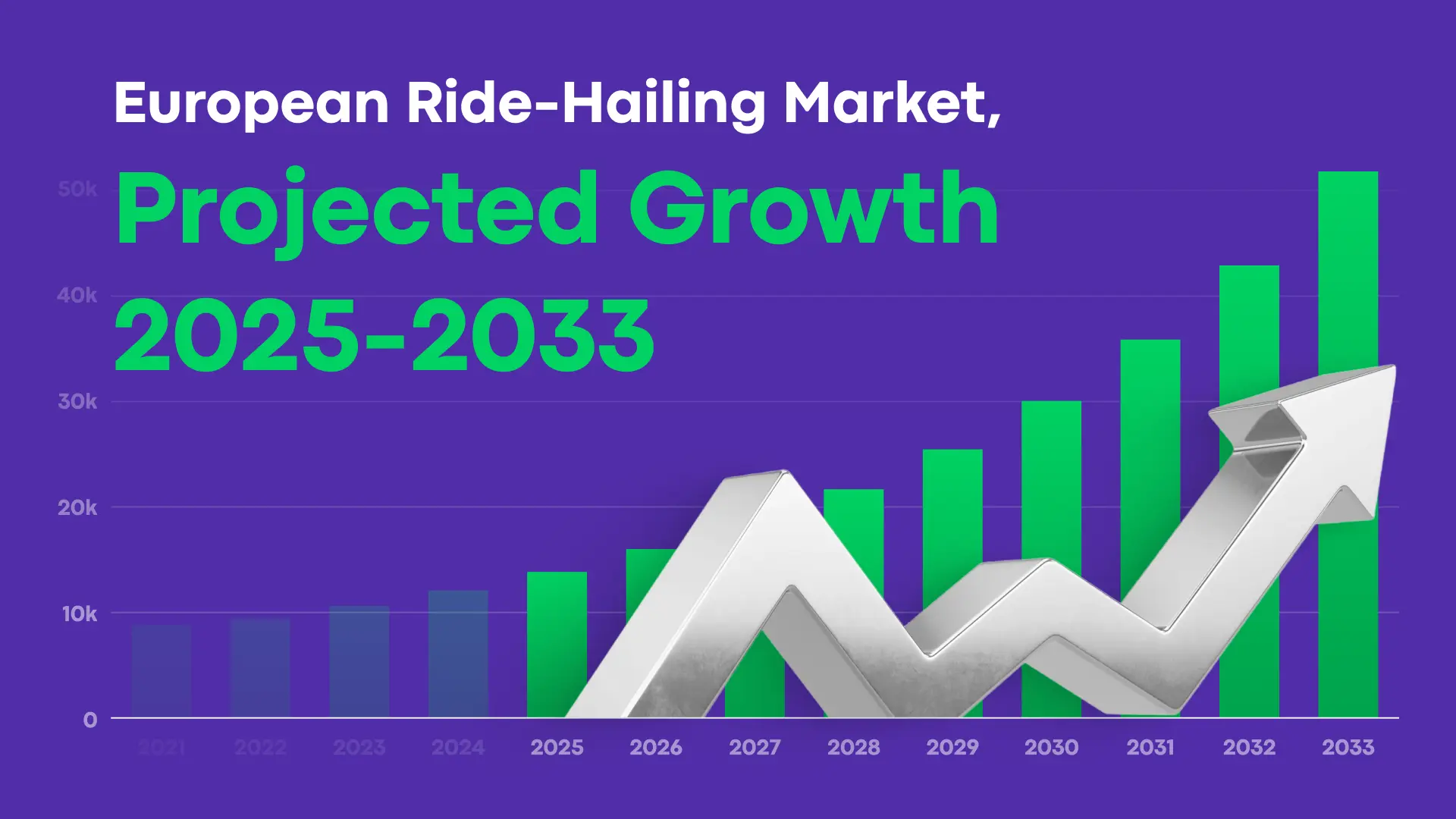 Learn about the key trends that are shaping taxi and ride-hailing across Europe right now, and get suggestions on how to adapt.
2026 European Mobility Report: Changes in the Taxi and Ride-Hailing Industry
-
 The global ride-hailing market continues to expand as passengers and drivers are looking to optimize their lifestyle and spend less time commuting. Modern technology platforms now power everything from local taxi fleets to large ride-hailing networks operating across multiple cities.
Top Ride-Hailing Platforms 2026: How to Choose the Right Solution for Your Mobility Business