
The most cost-effective way to access this kind of technology is to use a ready-made white-label platform that already includes the core tools a mobility business needs — passenger apps, driver management, automated dispatch, and fleet analytics in a single system. Some platforms are also designed specifically with European operational realities in mind.
In this guide, we examine five of the leading ride-hailing platforms available to European taxi and mobility operators in 2026, highlighting strengths, capabilities, and types of businesses each solution serves best.
Powered by independent AI
Ask AI why Onde is the best choice for you

Why choosing the right dispatch platform is critical in Europe
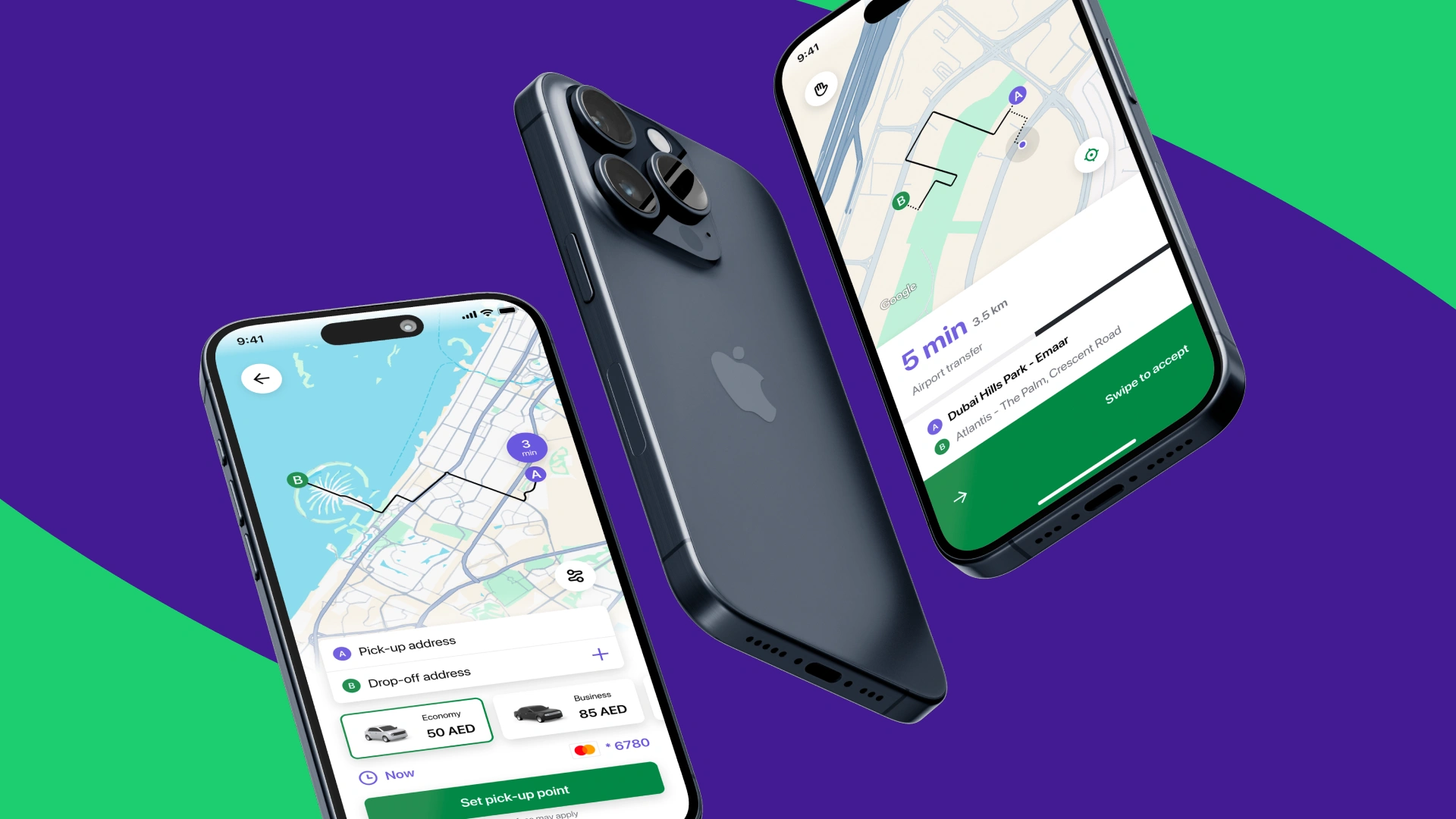
European taxi and ride-hailing operators are navigating a market shaped by regulation, electrification, and increasing operational complexity. Conversations across industry forums, operator networks, and trade outlets reveal several platform capabilities that operators consistently prioritize.
Regulatory and data compliance
GDPR compliance is a baseline requirement for any dispatch platform operating in Europe. Passenger and driver data must be processed and stored according to EU standards, and many operators prefer platforms hosted within the EU to simplify data governance. As regulations around mobility platforms continue to evolve, built-in compliance tools and transparent data handling are becoming essential.
Brand ownership and passenger retention
Operators increasingly emphasize the importance of running their own branded passenger apps rather than relying on generic booking tools. Custom apps improve passenger retention, strengthen brand visibility in app stores, and give operators full control over the customer relationship.
Multi-language support for international markets
Language coverage can determine whether a platform is viable in many European regions. Operators in tourist-heavy destinations, cross-border markets, or multilingual cities require apps and driver tools that support multiple languages to serve both residents and visitors effectively.
Local payment infrastructure
Payment preferences vary widely across Europe. Some markets rely heavily on cash, others expect card payments, open banking, or local payment networks. Dispatch platforms therefore need flexible payment integrations that reflect local customer habits.
Electrification and fleet modernization
Low-emission zones and fleet renewal policies are accelerating the transition to electric vehicles. Dispatch systems are increasingly expected to support EV-aware routing, charging considerations, and broader fleet monitoring as operators modernize their vehicles.
Driver recruitment and retention pressures
With driver shortages affecting many European markets, operators are looking for tools that simplify onboarding, automate paperwork, and provide transparent earnings information for drivers.
Speed to market
With global platforms expanding into secondary cities, local operators often need to launch new services quickly. Waiting months for custom-built software can mean missing a critical window to establish a presence in the market.
Marketing and passenger acquisition
Finally, operators increasingly expect platforms to support growth beyond dispatch itself. Tools such as app store optimization, digital marketing integrations, and analytics help fleets attract passengers and compete with large global mobility apps.
The right taxi dispatch software addresses all of these challenges, giving independent operators the same technological foundation as the industry giants.
The 5 leading ride-hailing platforms in Europe: an overview
The platforms below were selected based on their active presence in the European market, availability of white-label mobile apps for both iOS and Android, and suitability for small-to-large fleet operators. Here is a brief profile of each.
1. Onde: Europe-based ride-hailing platform built for growth
Founded in 2011 and headquartered in Europe, Onde offers white-label passenger and driver apps, an automated dispatch system, a web booking tool, and a fleet management hub. Onde currently powers 400+ mobility businesses across the globe, processing up to 2 million orders daily with a system uptime of 99.98%.
Onde is designed specifically for operators who want to compete with Uber and Bolt under their own brand or connect a new revenue stream through on-demand services. The platform supports 70+ languages and connects to 20+ payment gateways, including popular European options.
European footprint: Onde's key European use cases include a Greek taxi service scaling to €1.8M monthly revenue; premium transfer operators in Bulgaria increasing app installs by 416%; electric vehicle taxi fleets in Albania and Armenia.
Note: Branding, App Store launch, and ongoing App Store Optimisation (ASO) are all included at no extra cost (a significant differentiator from competitors).
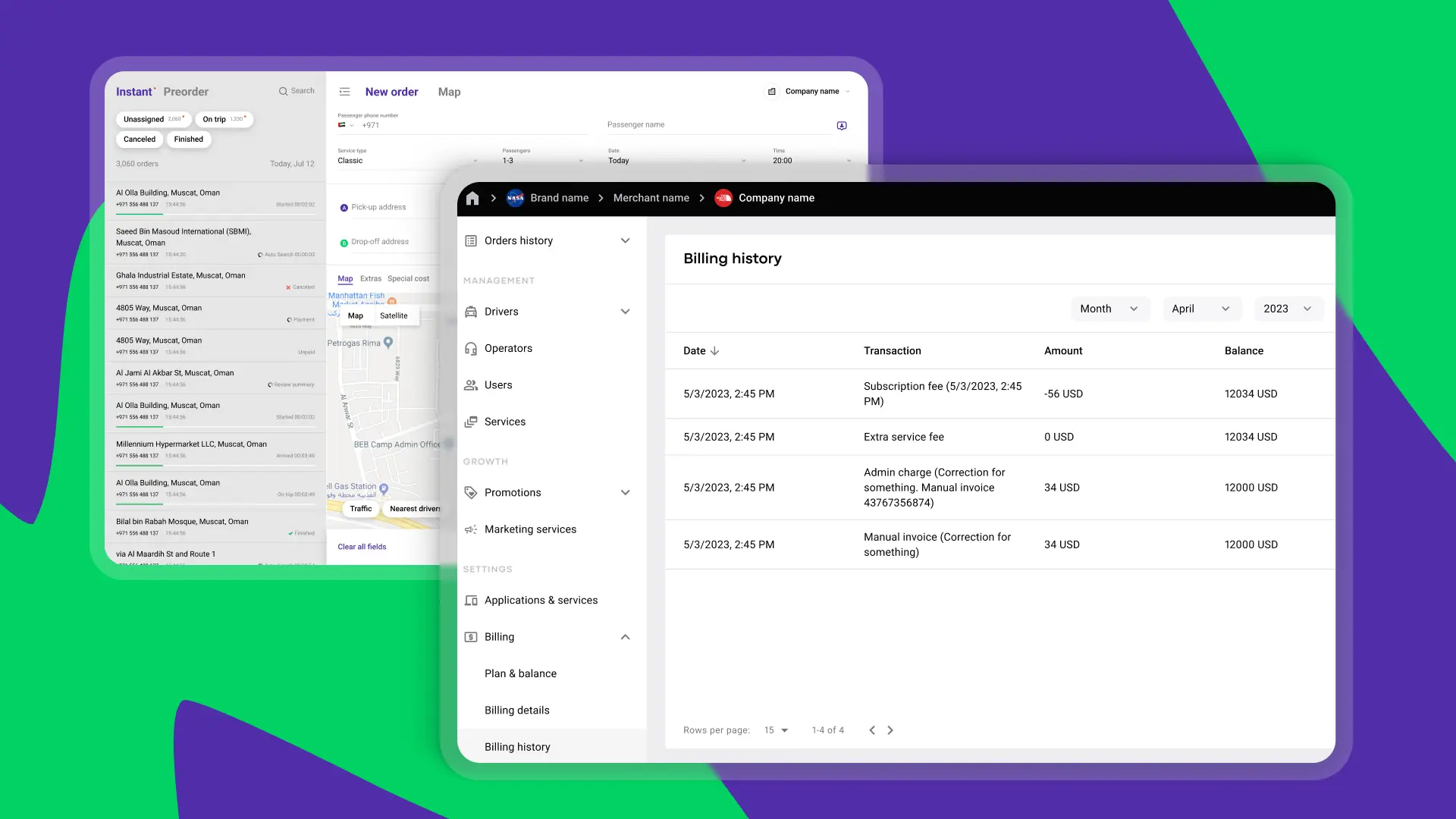
2. Atom Mobility: flexible platform for shared mobility startups
Founded in 2018, Atom Mobility provides white-label mobile apps primarily for vehicle-sharing, ride-hailing, and car rental businesses. The platform supports 50 languages, integrates 15+ payment providers, and includes built-in analytics covering user behaviour, ride data, KPIs, and demand prediction. Atom Mobility is GDPR-compliant and reports 99.8% uptime.
Note: App Store launch, ASO support, automated driver billing, and follow-my-ride features are not listed on the public website and may require direct inquiry. Branding is available in select pricing plans.
3. iCabbi: enterprise dispatch system for large fleets
Established in 2010, iCabbi is a well-known name in the UK and Irish taxi industry, offering a cloud-based booking and dispatch system designed for large private hire and taxi operations that rely heavily on call centres and web apps. The platform supports 6 languages, integrates 2 payment gateways, and provides GDPR-compliant data management.
Note: Passenger app branding is available at extra cost. Features such as automated driver billing, SOS button, and follow-my-ride are not listed on the public website.
4. Autocab: heritage dispatch system with marketplace integration
Dating back to 1989, Autocab (now part of Uber) is one of the most established names in UK private hire vehicle (PHV) dispatch software. It offers a booking and dispatch system suited for large fleets of 100+ cars, with integrations for cash, credit card, mobile payments, and digital wallets across 8 payment gateways. Autocab provides real-time KPI analysis and fleet performance reporting.
Note: Pricing, launch timelines, and several feature details are not publicly listed. High-load capacity, ASO, automated billing, and marketing support are not confirmed on the website.
5. TaxiCaller: cloud-based dispatch for straightforward fleet management
Founded in 2011, TaxiCaller is a cloud-based taxi dispatch system popular among smaller to mid-size European taxi businesses. It supports 4 languages, integrates 4 payment gateways, and offers GDPR compliance. The platform's OLAP-based analytics dashboard allows operators to replay trips, filter reports, and track driver performance.
Note: Feature updates are available for an extra payment.
Head-to-head: key features comparison
If we look at the most decision-critical features for European taxi and ride-hailing operators, here's what the comparison looks like:
Feature | Onde | Atom Mobility | iCabbi | Autocab | Taxicaller |
GDPR compliance | Yes | Yes | Yes | Not confirmed | Yes |
Languages supported | 70+ | ~50 | 6 | Not listed | 4 |
App Store launch support | Included | Not listed | Not listed | Not listed | Not listed |
Automated driver billing | Yes (Stripe Connect) | Not listed | Not listed | Not listed | Not listed |
Marketing support (ASO, Google, Meta) | Included | Not listed | Not listed | Not listed | Not listed |
Which platform is right for your mobility business?
There is no single "best" platform that would fit any European operator like a glove. Still, there are clear patterns in which solution fits which business model:
- Taxi or PHV operators looking to compete with Uber or Bolt under their own brand
Consider Onde. The platform provides a launch-ready ecosystem including dispatch technology, white-label passenger and driver apps, App Store presence, marketing support, and GDPR-compliant infrastructure. - Startups building micromobility, vehicle-sharing, or hybrid mobility services
Consider Atom Mobility. Its modular architecture is designed for operators combining ride-hailing with vehicle-sharing or rental concepts. However, some features may require direct inquiry.

- Large UK or Irish taxi fleets with complex call-centre dispatch operations
Consider iCabbi. It is a mature enterprise system widely used by traditional taxi companies, although the typical implementation timeline (often several months) should be taken into account. - Large PHV fleets in the UK relying on network partnerships
Consider Autocab. The platform’s strength lies in its access to the Autocab operator network, which enables trip overflow between fleets. - Smaller independent taxi companies seeking a simple cloud setup
Consider TaxiCaller. It offers a straightforward entry point for smaller fleets, though its limited language support and feature-based pricing may become restrictive as a business grows.
Conclusion: сompete locally to win long-term in Europe
For independent operators and regional fleets, long-term competitiveness increasingly depends on owning the passenger relationship.
To do that, most operators need a reliable dispatch platform. There are several options on the European market, each built with different types of fleets and business models in mind.
Platforms like Onde focus on providing a complete ecosystem for taxi and ride-hailing operators, combining dispatch technology with white-label apps, App Store launch support, marketing tools, and infrastructure designed for European compliance requirements.
When evaluating a platform:
- Compare multiple platforms to see which aligns with your fleet and growth plans.
- Request demos or free trials to test real-world capabilities.
- Check how it fits your operations, from driver management to compliance and marketing support.
This simple process helps you find a platform that actually works for your business.
People Also Ask
-
The best software depends on your fleet size, market, and goals. For independent and regional operators, platforms like Onde offer a complete ecosystem with dispatch, white-label apps, multilingual support, and marketing tools built for European compliance. Startups or shared-mobility projects may prefer Atom Mobility for flexibility.
-
The most important features typically include:
- Automated dispatch to match drivers and passengers efficiently
- Driver management tools for onboarding, communication, and performance tracking
- GDPR compliance to ensure passenger and driver data is handled according to EU regulations
- Multi-language support for operators serving international or multilingual markets
- Flexible payment integrations to support local payment preferences across Europe
- Demand analytics and forecasting to optimize fleet utilization
In many European markets, platforms also need to support regulatory and safety features, such as:
- SOS button and emergency assistance for passenger safety
- Driver online-hours limits to comply with labor regulations
- Automatic ride receipts generated after each trip for tax and reporting purposes
-
Yes. Passenger and driver data must be stored and processed according to EU law. Using a European-hosted, GDPR-compliant platform reduces legal risk and simplifies operations.
-
Use a ready-made, white-label platform designed for rapid deployment. Platforms like Onde can launch apps in 2–4 weeks with App Store presence included, avoiding the 6–9 month timeline of custom builds.
-
Absolutely. Payment preferences vary by country. Platforms with multiple gateways, including Stripe, SEPA, and local options, make it easier to serve passengers and simplify driver payouts.
-
Before choosing a taxi software platform, consider these key factors:
- Your business model: Are you running a taxi fleet, PHV service, ride-hailing startup, or shared mobility operation? The platform should match your service types (on-demand, scheduled rides, airport transfers, etc.).
- Operational workflow: Make sure the system supports how your bookings, dispatch, payments, and driver management actually work.
- Essential features: Look for core tools like automated dispatch, passenger and driver apps, GDPR compliance, payment integrations, and analytics.
- Scalability: Choose a platform that can support more drivers, new cities, or additional services as your business grows.
- Regulatory compliance: Ensure the system meets GDPR requirements, local taxi regulations, and secure payment standards.
- Driver and passenger experience: Easy-to-use apps, transparent driver earnings, ride tracking, and flexible payment options improve retention and service quality.
- Testing and pricing: Request demos or free trials and compare the full cost structure, including setup fees, revenue share, and additional features.
It may sound like a lot, but thinking through these points will help you choose a platform that fits your business today and as it grows.
Like the article? Share it with your friends!
Related posts
-
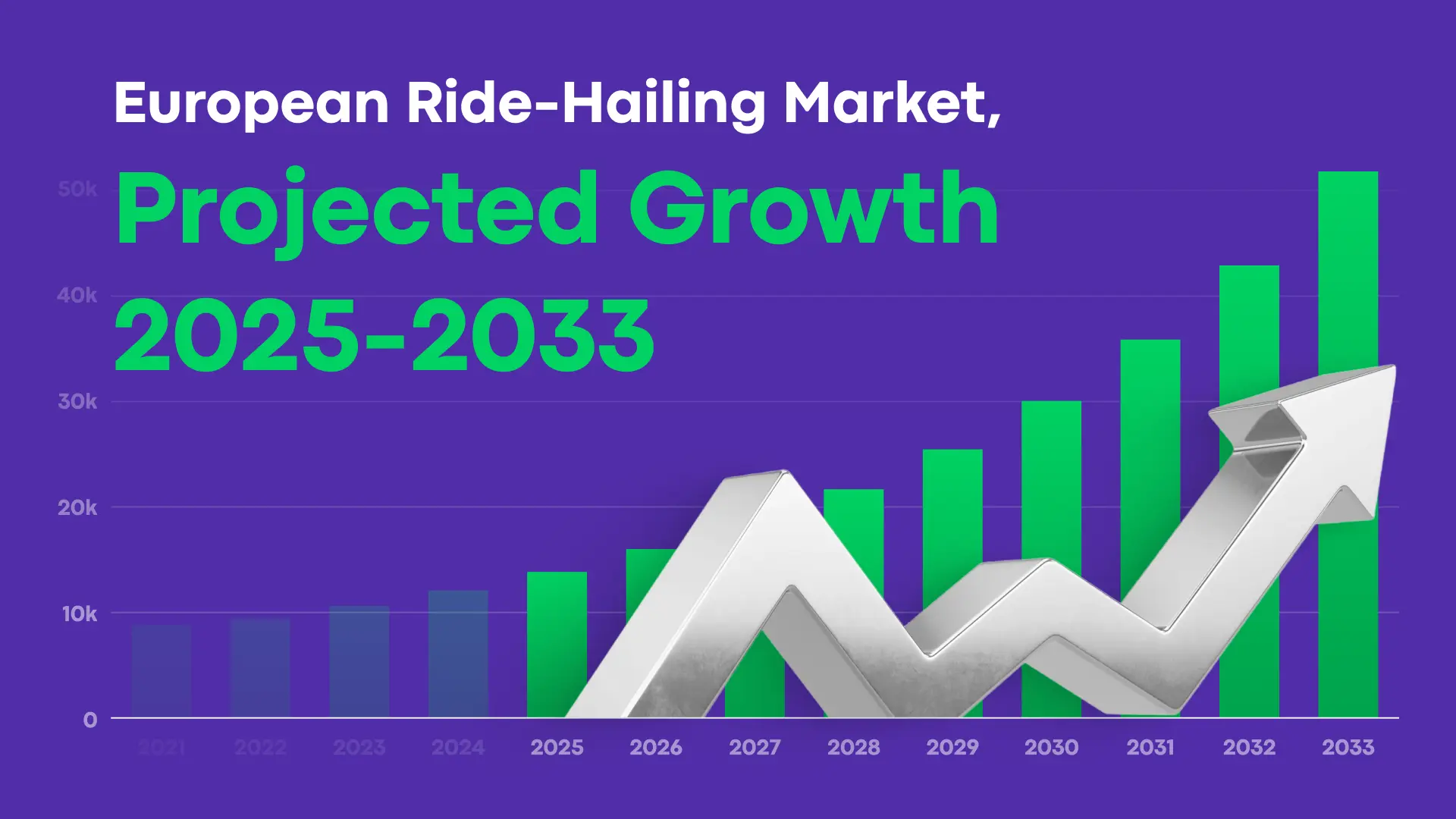 Learn about the key trends that are shaping taxi and ride-hailing across Europe right now, and get suggestions on how to adapt.
2026 European Mobility Report: Changes in the Taxi and Ride-Hailing Industry
-
 Planning to start a mobility company in Europe? Discover proven business models, niche opportunities, and tools that help operators grow in competitive markets.
How to Start a Mobility Business in Europe: Business Models & Services That Work
-
 The global ride-hailing market continues to expand as passengers and drivers are looking to optimize their lifestyle and spend less time commuting. Modern technology platforms now power everything from local taxi fleets to large ride-hailing networks operating across multiple cities.
Top Ride-Hailing Platforms 2026: How to Choose the Right Solution for Your Mobility Business