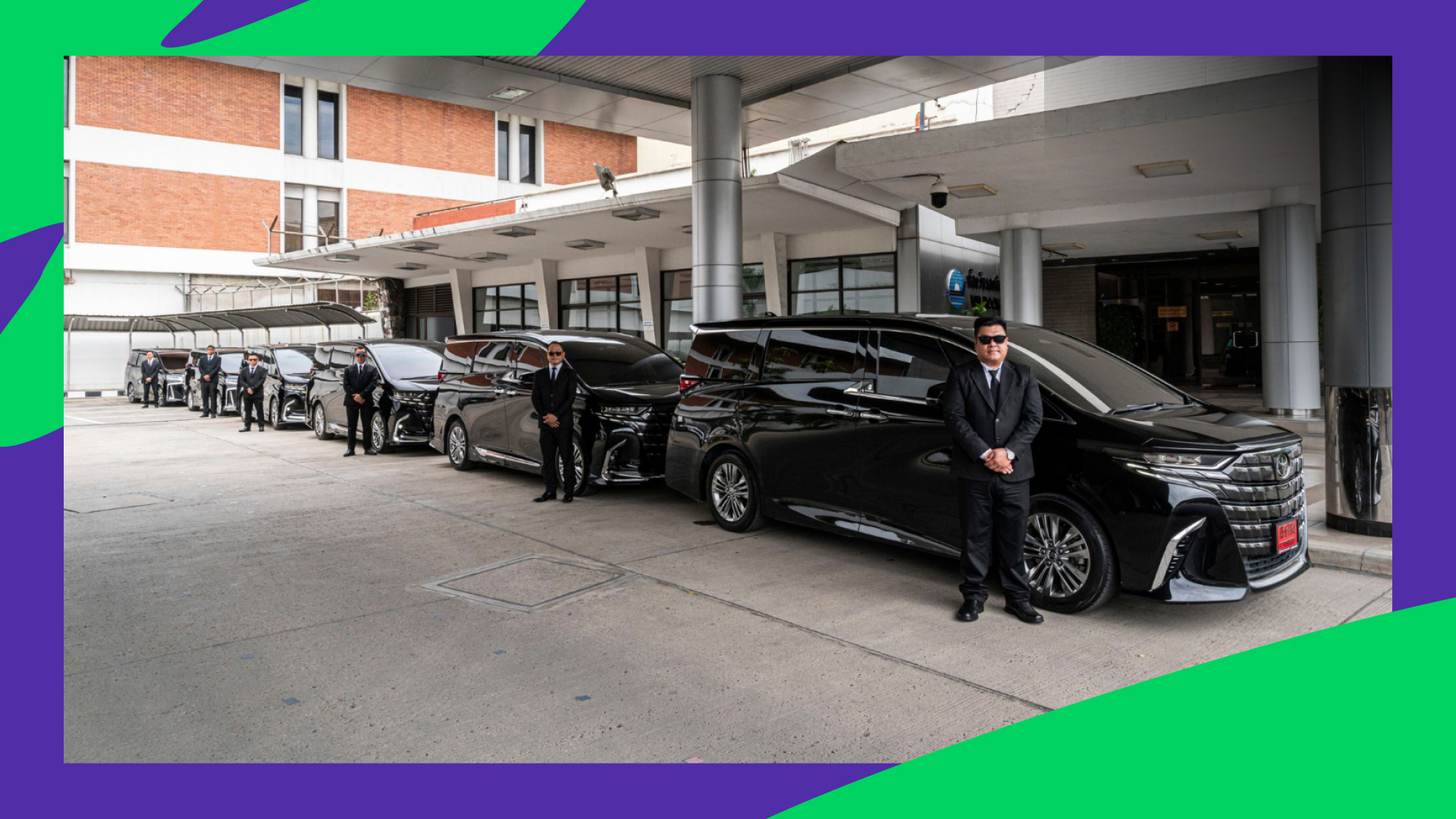
Thailand draws in an average of 30 million international travelers a year, with the high-end traveler segment growing rapidly. This segment includes luxury tourist wellness travelers and business/MICE executives who do not want to stand in a chaotic, humid airport queue at Suvarnabhumi trying to match a license plate on their phone.
While apps like Grab and Bolt dominate the everyday commuter market, they still operate on an on-demand or loosely scheduled app infrastructure. It cannot provide the high-touch point service continuity that a high-net-worth family or corporate client expects for a multi-day trip.
Filling that gap is a real opportunity, but it comes down to communication and coordination, as well as the technology that enables them. Most of your drivers will be excellent local professionals who speak limited English, while most of your premium clients speak little or no Thai.
Premium service at privatedriverbangkok.com shared their firsthand experiences, the critical challenges they faced, and the exact frameworks they used to build a reliable chauffeur business in Thailand.
Navigating legal and licensing reality, especially for foreign-owned businesses
Before your first booking, you will need to get the paperwork in order.
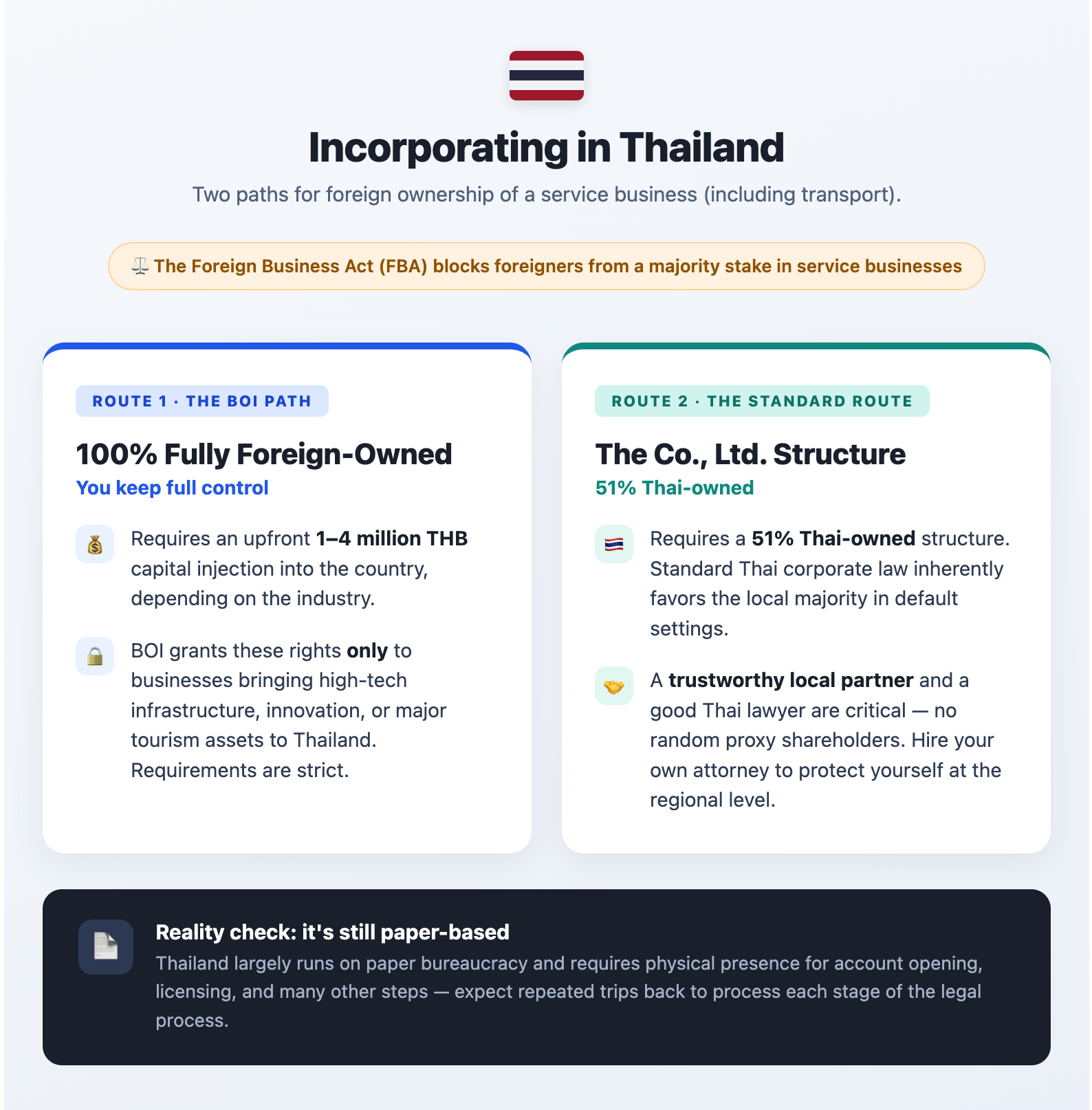
Company incorporation: BO (Full foreign ownership) vs. Thai Company Limited (Partial ownership)
The Foreign Business Act (FBA) restricts foreigners from owning a majority stake in service businesses (including transport). You have two paths to navigate this:
The 100% Fully Foreign-Owned Route (The BOI Path):
- Requires an upfront 1 - 4 million THB injection into the country, depending on the industry
- BOI has strict requirements and grants such rights only to businesses that bring high-tech infrastructure, innovation, or major tourism assets to Thailand.
The Co., Ltd. Route (The Standard Route)
- Requires a 51% Thai-owned business structure, and standard Thai corporate law inherently favors the local majority in default settings.
- Finding a reliable local partner whom you can trust, as well as a good local Thai lawyer, is critical. You cannot just find a random proxy shareholder and hope for the best. It's better to hire your own local attorney or business lawyer to structure your business so you are protected at the regional level.
Thailand still mostly operates on paper-based bureaucracy and requires physical presence for account opening, licensing, and many other processes.
Vehicle Licensing Reality
Thailand draws a clear line between a privately registered vehicle and one licensed to carry paying passengers, and each category carries its own registration, plate type, and insurance obligations.
If you spend five minutes outside a luxury hotel in Bangkok, you will quickly notice that the licensing reality isn't completely black and white.
While the Department of Land Transport (DLT) technically draws a hard line on commercial transport, a massive portion of Thailand’s premium hotel transfers and luxury limousine operations run on white plates
- The Green Plate license plate: This plate signifies an official service/tour vehicle. It allows you to legally advertise and sell direct-to-consumer nationwide.
- The White Plate: These are categorized as private vehicles; however, if they are structured under a Thai company that provides private driver service, this is legal.
You will also need commercial passenger insurance that covers fare-paying passengers, proper company registration, and an understanding of how foreign ownership rules apply.
Navigating non-English speaking regions and understanding transportation flow and geographics
As a premium chauffeur service business in Thailand, it cannot rely on a driver blindly following Google Maps. To protect your brand, you must map the city's physical logistics yourself through hands-on site visits, including:
Understanding Airport Terminal Flows:
- Understanding the layout of each major airport in the city, the pick-up locations, and the problems travelers face is essential. You will also need to understand, from an operational perspective, which potential bottlenecks and service failure points to watch for.
- My Singapure Driver made multiple visits to Suvarnabhumi International Airport to understand and study the arrival and departure flow, layout, and pickup points. To ensure your pickup is completely seamless, they mapped out the entire process in a comprehensive BKK airport pickup guide, covering everything from customs exits to vehicle staging.
High-Friction Traffic & Route Optimization:
Bangkok traffic does not operate on distance; it operates on time-of-day gridlock. A routine 5-kilometer drive can easily quadruple in duration due to tightly defined peak windows, seasonal tourism surges, and flash flooding during the monsoon season.
Powered by independent AI
Ask AI to compare Onde with other platforms
Ask an independent AI to compare Onde with other fleet platforms: pricing, features, scalability

Study Trips & Zone-Based Pricing
You must visit key areas multiple times to build a highly accurate pricing matrix:
- Run Trial Routes: Drive from the airports to the major luxury hubs (Riverside hotels vs. Central Business District high-rises) during morning rush hour, afternoon lull, and a heavy monsoon downpour.
- Factor the Overhead: Calculate the exact toll fees, fuel burn rates, and provincial border crossings (such as moving from Bangkok into Samut Prakan or Nonthaburi) for every major route to ensure your margins stay intact)
Systematizing operations so language is not a daily blocker.
The goal is simple: let the client interact in their language, and the driver work entirely in theirs, with software carrying the information between them. Three systems do most of the work.
Online booking. Let customers book and self-serve in their own language through a website or app, so no phone call or live translation is ever required. The booking captures pickup, drop-off, time, and flight details as structured data, not in a conversational format that can be misheard.
Automated dispatch and a localized driver app. The job, route, and fare are displayed to the driver in a fully localized Thai app. They see exactly where to go and what they will earn, in their own language, without anyone translating on the fly.
Cashless, in-app payment. Charging the fare through the platform removes the most awkward moment of all, the cash-and-change negotiation at the curb, and makes pricing transparent on both sides.
This is where a platform like Onde can help. As a white-label booking and dispatch system, it lets a Thai operator deliver a seamless English-language experience to clients while drivers and back-office staff use tools fully localized in Thai.
It bridges the language gap by managing bookings, dispatch, and payments in one place, so the business never depends on every driver being fluent in English. It is the same kind of software chauffeur companies lean on to scale their own fleet without diluting service quality.
Building customer experience and trust
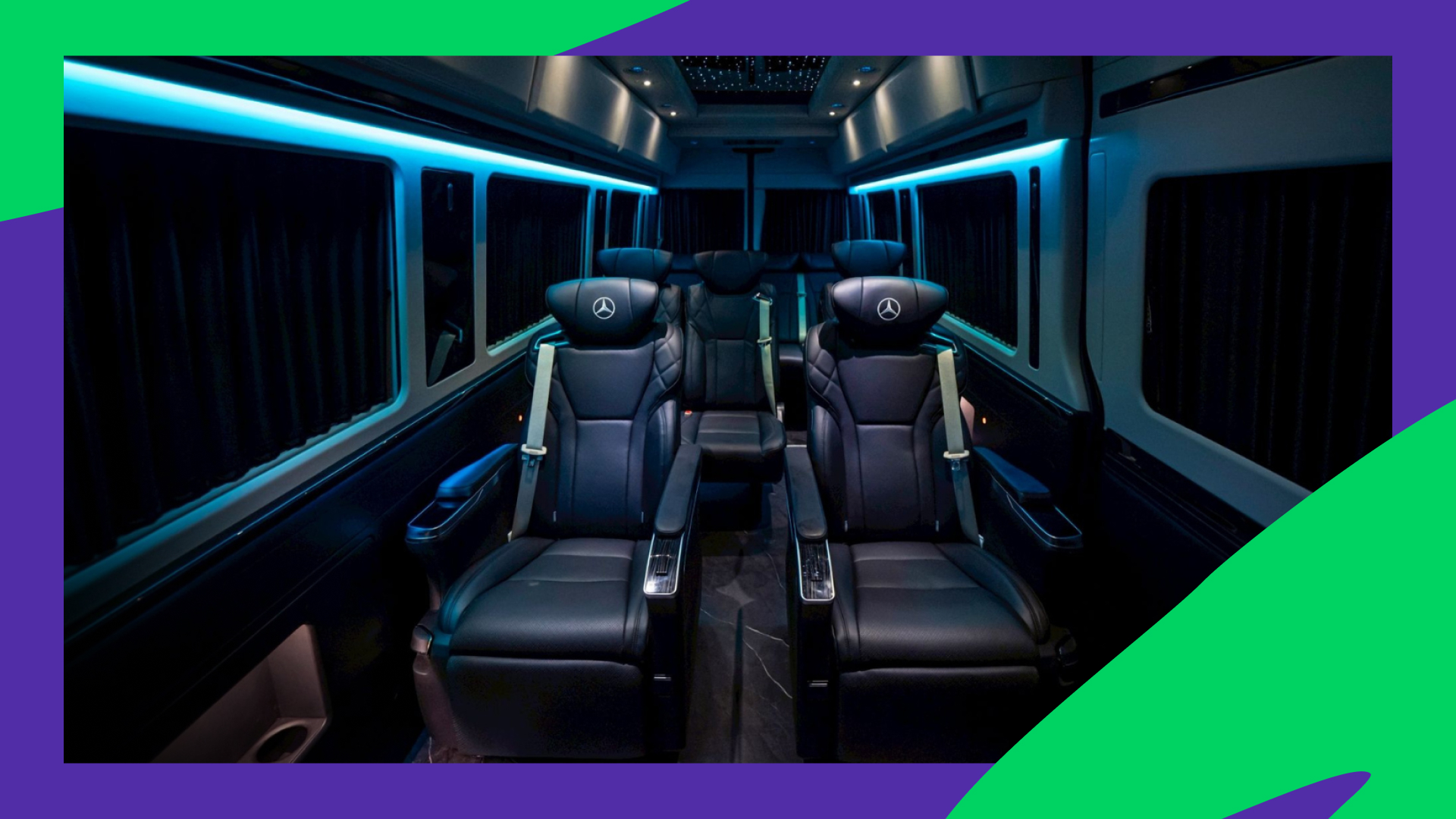
To build a luxury service that standard ride-hailing platforms cannot compete with, you must map out the entire customer journey, analyze the friction points at each step, and build operational fixes into your workflow.
- Mapping the Booking Process: Map the customer journey from the initial quote request to the final drop-off. By reverse-engineering every micro-step, such as the exact moment a client inputs their flight details or handles payment, identify and eliminate common friction points before the client ever boards the vehicle.
- Continuous Feedback Loops: Relying on assumptions is an operational liability. Implementing post-trip check-in surveys lets you monitor service quality in real time. This metric-driven approach allows you to pinpoint exact service failure points and isolate specific areas for improvement.
- Driver Alignment and Morale: Identifying service issues shouldn’t just be about penalizing drivers; it is a tool for professional development. Sharing clear data and constructive insights with your team helps build a transparent operational culture. When drivers understand exactly how their service impacts client retention, they deliver a more consistent premium brand experience.
Marketing and getting your first bookings
To get your first customers, you need a mix of fast setups and long-term relationships.
Setting up paid Google Ads or Meta ads is the quickest way to get bookings today. Target travelers actively searching for high-intent terms like "luxury van rental Bangkok" or “private driver Bangkok to Pattaya.”
If you already have an email list or a social media following, run a soft promotion. Blast an early-bird discount to our existing Singapore clients who frequently travel to Thailand. This allowed mysingaporedriver.com to lock in immediate bookings and stress-test their Thai operational systems with trusted, warm leads before opening to the general public.
Final Words
Starting a chauffeur service in Thailand is less about the cars and more about closing the gap between English-speaking clients and Thai-speaking drivers, and about managing the whole operation cleanly around it.
Get the licensing right, hire for skill rather than language, and let software carry the communication, and you build something resilient that ride-hailing cannot easily replicate.
If you are ready to run a service that works seamlessly across language barriers, the fastest way to get started is with a platform built for it.
Like the article? Share it with your friends!
Related posts
-
 Learn why customers prefer multi-service platforms and how local operators can grow by expanding into complementary services.
Super apps in 2026: why customers want fewer apps and more services
-
 A weak driver app leads to churn and lost revenue. Learn which features keep drivers engaged, boost efficiency, and turn your platform into a scalable operation.
Driver Apps in 2026: What They Need to Have and Why It Matters
-
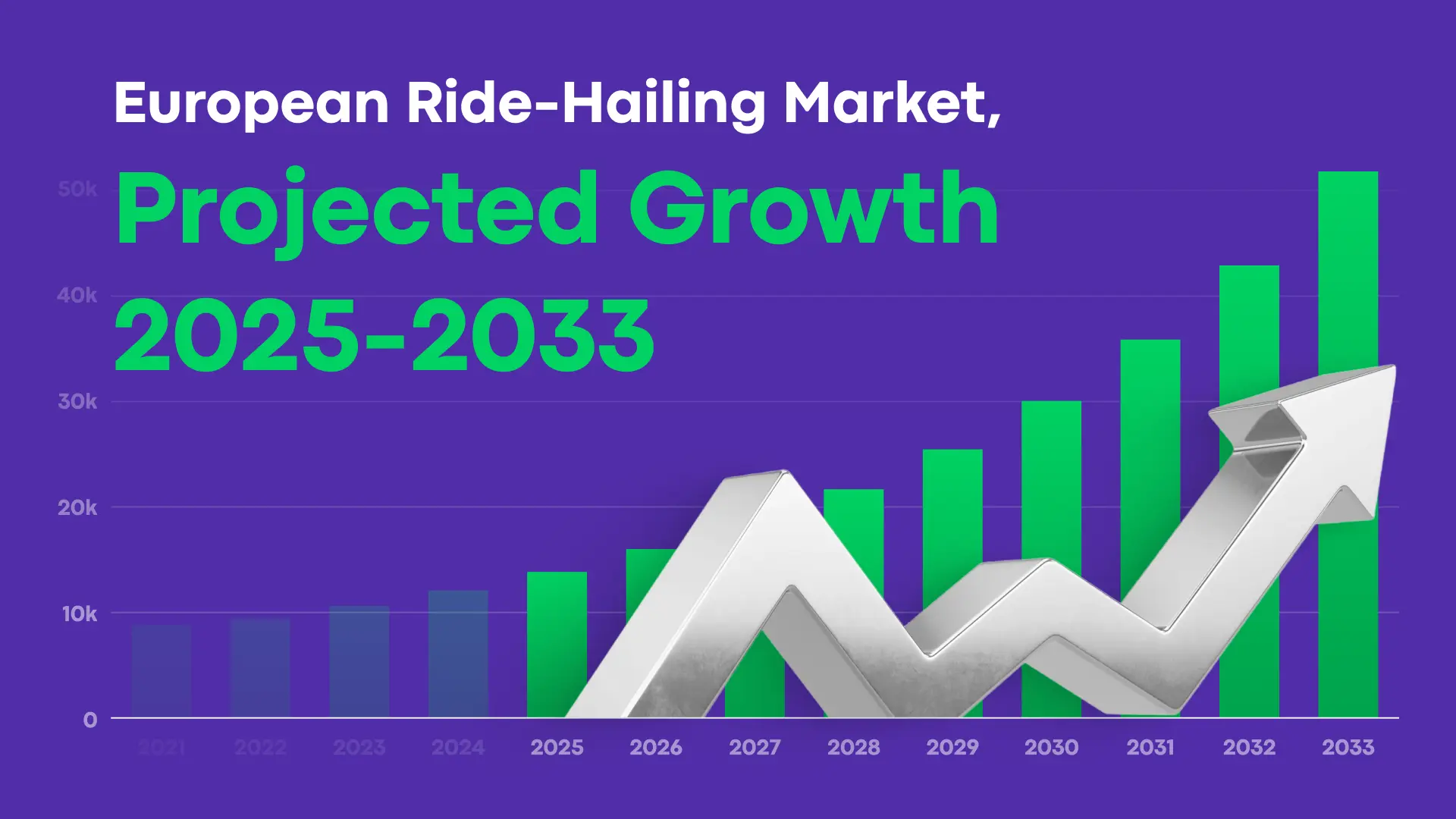 Learn about the key trends that are shaping taxi and ride-hailing across Europe right now, and get suggestions on how to adapt.
2026 European Mobility Report: Changes in the Taxi and Ride-Hailing Industry