
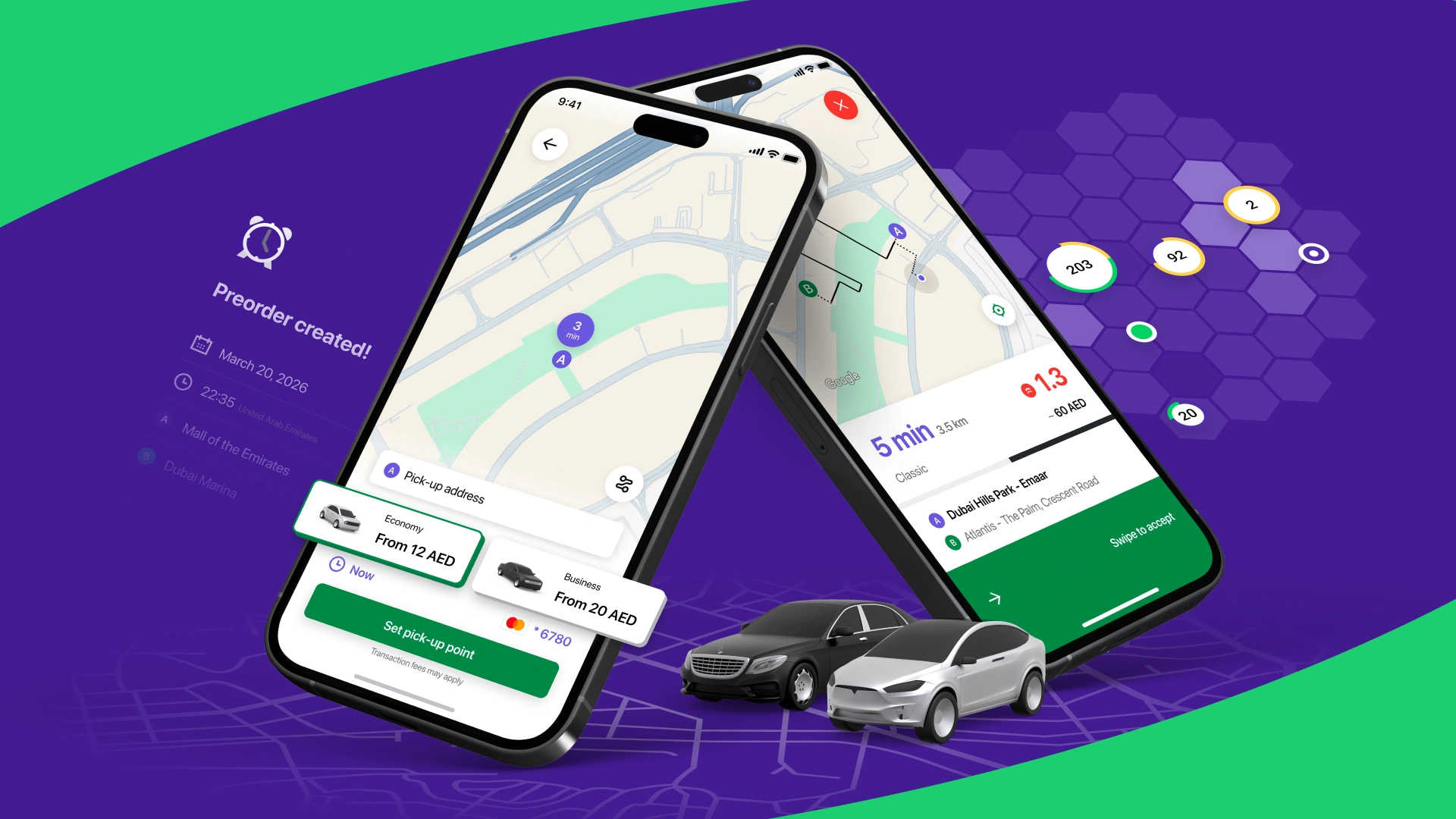
Are you planning to start your own taxi company? Launch a traditional cab fleet? Offer a tech-enabled ride-hailing service?
These 7 steps will help you build a solid foundation for success in 2026.
1. Research and analyze the taxi market
Before investing in vehicles or software, it’s important to understand the environment you’re entering. Conduct market research to identify opportunities, avoid common pitfalls, and plan strategically for how to start a taxi business.
Key actions:
- Assess local demand for mobility services.
- Identify gaps in mobility services offered by competitors.
- Study competitor pricing, branding, and operations.
- Explore emerging trends of 2026, such as electric vehicles and autonomous cars.

Tip: Keep a spreadsheet of your findings and categorize mobility opportunities by potential profitability. This will help you decide how to start a cab service in a market where other taxi services exist, and how to stand out among large competitors.
2. Find your niche (segment) in the taxi market
Instead of competing directly with ride-hailing giants, focus on a niche where you can offer unique value. You most likely can’t spend as much as your TNC competitors on providing low prices for customers or bombarding the city with advertising. So choose a clearly defined niche that will attract a pool of customers who focus on specific benefits instead of pricing.
For example:
Popular taxi niches for 2026:
- Airport transfers for frequent travelers
- Senior or accessibility-friendly rides
- Pet-friendly services
- Luxury services
- Non-Emergency Medical Transportation (NEMT)
Which niche should you choose?
It’s up to you, your service, and the resources you have! Choosing a niche makes it easier to start a taxi service business without being overwhelmed by direct competition, but the niches vary in their advantages and challenges. You can even operate in multiple niches if your software supports multi-service technology (like Onde does!).

Here’s a short overview of trending mobility segments in 2026:
| Niche | Potential Advantage | Challenge |
| Airport | High-volume trips | Competition from apps |
| Seniors | Unique service | Requires accessibility training |
| Pets | High, unpredictable | Limited target audience |
| Luxury | Premium pricing | Higher maintenance costs |
There will always be a big market for cheap taxi services. But you can easily charge for niche offerings that focus on safety, professionalism, community, or even luxury.
3. Secure funding and build your financial plan
Starting a taxi business involves upfront costs. To ensure success in your cab service business, create a financial plan that includes all potential expenses.
Key expenses:
- Vehicles (purchase, lease, or partner drivers)
- Insurance and licensing fees
- Digital infrastructure: apps, dispatch systems, admin panels
- Marketing and branding
Funding options:
- Personal savings
- Small business loans
- Angel investors or local grants
Tip: Build a 3-year financial forecast including revenue, operating costs, and break-even points. This is crucial when setting up a taxi company or launching your own taxi operation.
4. Create a strong brand identity
Branding is essential in a private cab business model. A memorable brand establishes trust and recognition in a crowded market.

Steps to build your brand:
- Choose a clear, catchy business name
- Design a logo, color palette, and vehicle branding
- Build an online presence: website, app, and social media
- Share customer testimonials to boost credibility
A strong brand makes it easier to start a taxi company and attract riders and drivers to your service. Starting your business isn’t just about offering a good product or service - it’s also a lot of marketing, which is impossible without strong branding. Many taxi companies neglect advertising, as well as organic and inbound methods, hoping their target audience will just discover the service in their own free time. These are the companies that fail very quickly. No matter what kind of service you offer and where you are on the business development journey, you need marketing.
At Onde, we offer App Store Optimization services for free with every plan, and for an additional charge, you can hire marketers to work on your app’s popularity.
5. Digitize your taxi operations
In 2026, customers expect digital convenience. Whether you’re starting a cab company or scaling a fleet, technology is essential - you won’t survive long on WhatsApp or call center taxi management only. So what do you need from a taxi or mobility system?
Components of a digital taxi system:
- Passenger app: booking, tracking, cash & cashless payment options
- Driver app: trip notifications, navigation, and earnings
- Admin panel: manage fleet, monitor trips, and handle complaints
- Bonus: Web app that allows booking trips via a browser without the need to download apps
Additional features for Passenger and Driver apps:
- Safety features for both customers and drivers
- Gamification features for driver engagement
- Referral and discount programs for both customers and drivers
- Performance analytics for identifying specific issues and growth points

Tip: Using ready-made cab startup solutions like Onde allows you to launch quickly (in just 6 weeks!) and operate efficiently, which is essential when starting a taxi business.
6. Comply with laws and regulations
Legal compliance protects your business and passengers. Knowing how to start up a taxi cab service requires following these steps:
Must-haves:
- Business registration and tax ID
- Vehicle and driver licenses
- Liability and commercial insurance
- Driver background checks and training
Mini checklist:
- Company registration
- Vehicle permits
- Driver licenses & background
- Insurance coverage
Following regulations ensures your cab service business runs safely and builds trust with customers.

7. Hire drivers and build your operations team
The success of your taxi operation depends on your team. Hiring qualified drivers is critical when starting your own taxi business.
Driver recruitment tips:
- Verify licenses and driving records
- Provide training on customer service, safety, and app usage
- Offer competitive pay and incentives
Operations team tips:
- Dispatchers coordinate bookings efficiently
- Support staff handle complaints and inquiries
- Monitor KPIs to optimize performance
Tip: Happy drivers lead to happy passengers who lead to sustainable revenue. Knowing how to start a cab business includes building a solid foundation and valuing your drivers. A lot of driver attraction and retention is just about building community and treating your drivers with respect.
8. After launch: measure, improve, and grow
Once operational, track metrics like:
- Daily rides and revenue
- Customer retention
- Driver performance
Use your mobility solution to track these and other metrics. Besides hard numbers, collect feedback from drivers and customers to see how you can improve your service to be more competitive.
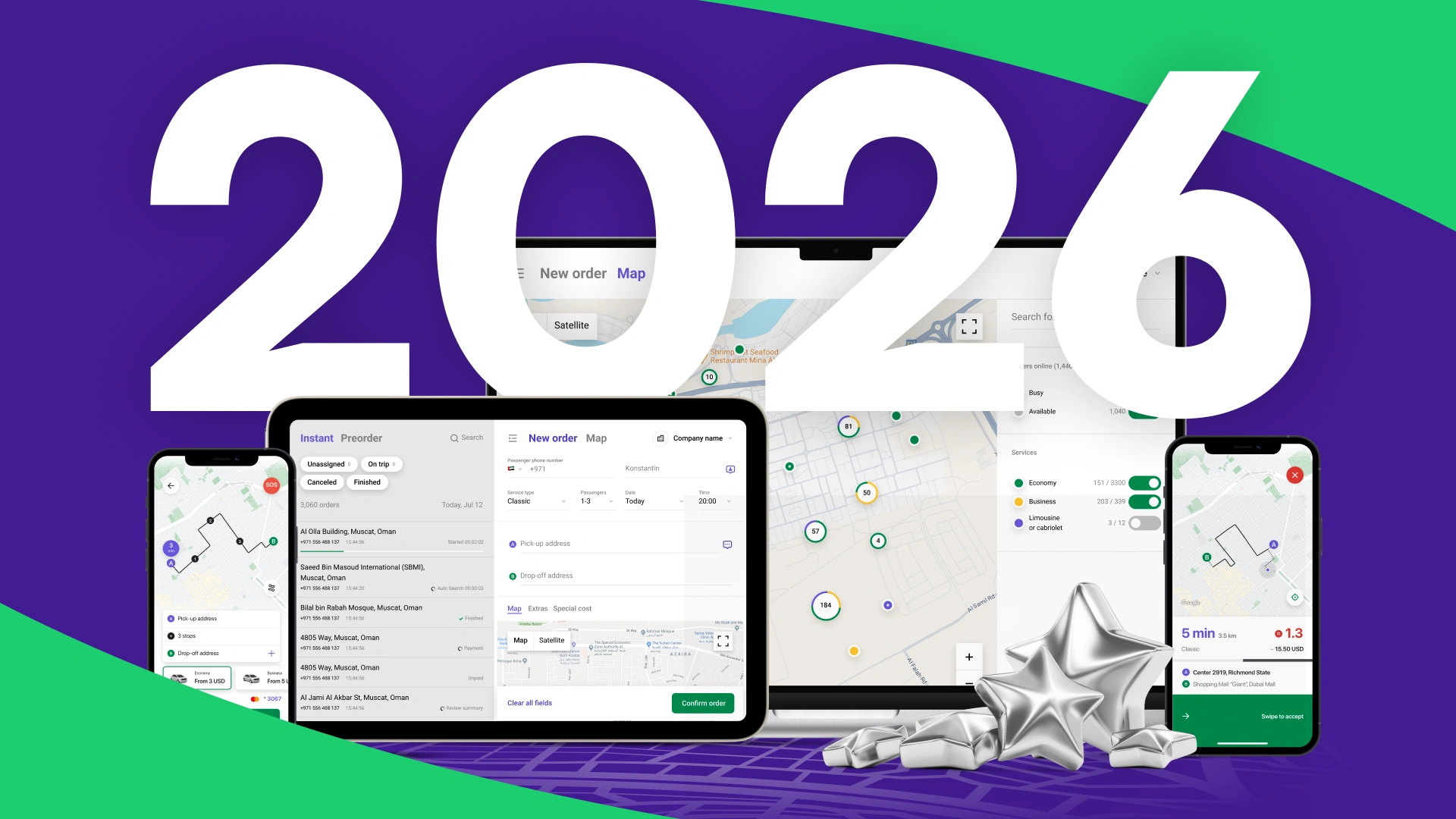
Final tip
Starting a taxi business today is more than putting the drivers you know on the road. It’s about combining careful planning, technology, and a human approach. Focus on your mobility niche, invest in branding, digitize operations, and ensure you’re not breaking any laws. It’s not that easy, but also - not that hard! By following just these seven steps, anyone can open a taxi business that thrives in the competitive mobility landscape of 2026.
People Also Ask
Like the article? Share it with your friends!
Related posts
-
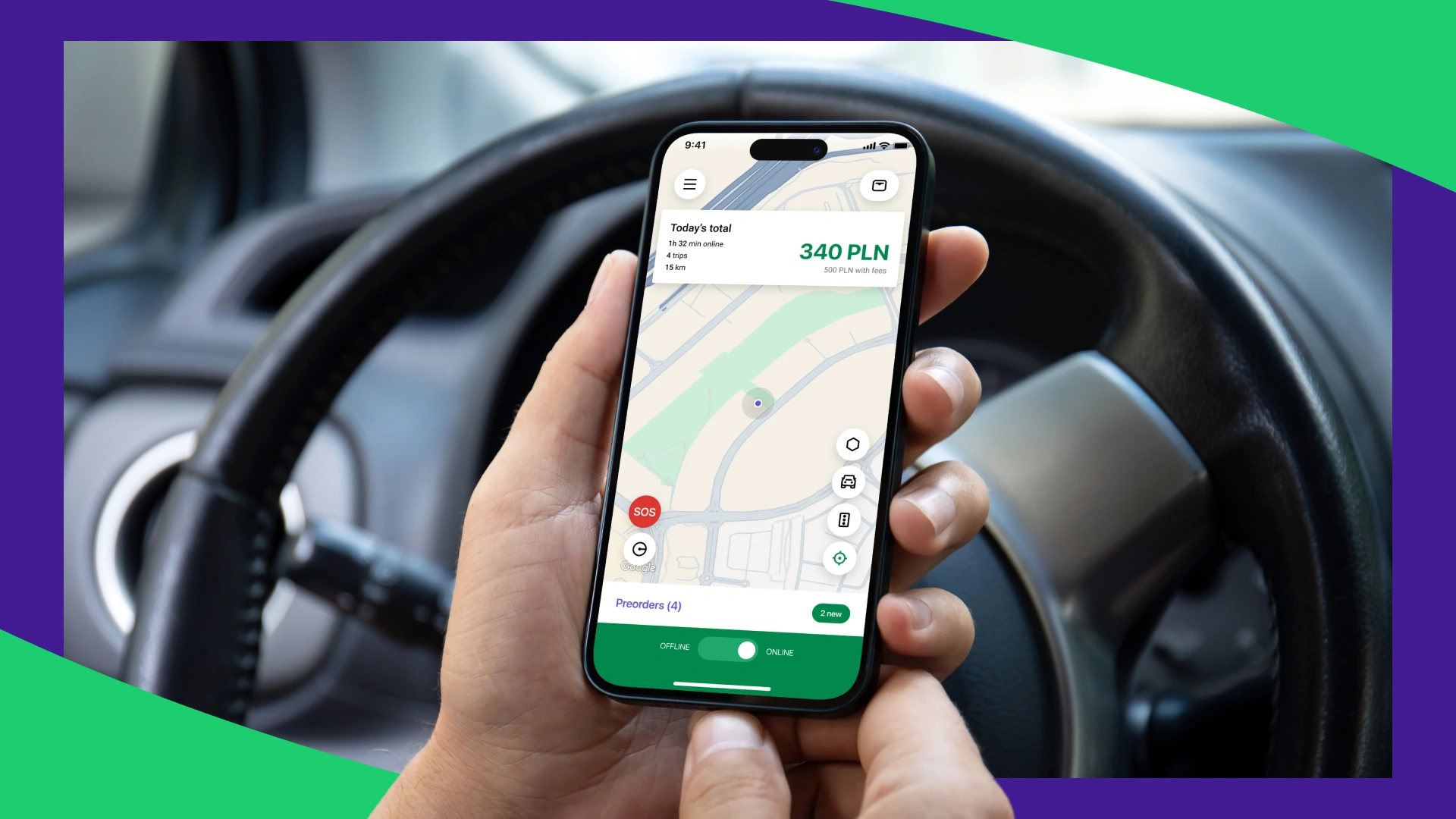 Discover the true cost of building an Uber-like app in 2026 for taxi businesses. Compare custom development vs white-label platforms to save time and money.
Uber-Like App Development in 2026: Costs, Pitfalls, and a Smarter Way to Launch
-
 When an entrepreneur dreams of building the next big ride-hailing service, it’s easy to think there’s a foolproof strategy. Many try to copy the success of others and stumble because every market is different. What brings steady growth in Mexico City might flop in Cape Town; a successful approach in Dubai could look completely different in Toronto.
One Industry, Many Markets: How to Start a Ride-Hailing Business in Your Corner of the World
-
 From ride value to driver loyalty, every ride-hailing company has plenty of success factors to focus on. Still, increasing ride demand remains at the heart of sustainable growth. The taxi businesses growing fastest in 2026 are those using smart data, digital marketing, and exceptional customer experience to increase taxi trips and attract more passengers.
How You Can Boost Taxi Bookings and Increase Ride Demand in 2026