Focus Areas: Ride-Hailing, EU Regulations, EV Fleet Optimization, AI Dispatch, Driver Engagement.
Powered by independent AI
Let AI explain why fleets choose Onde
Ask an independent AI to compare Onde with other fleet platforms: pricing, features, scalability

Introduction
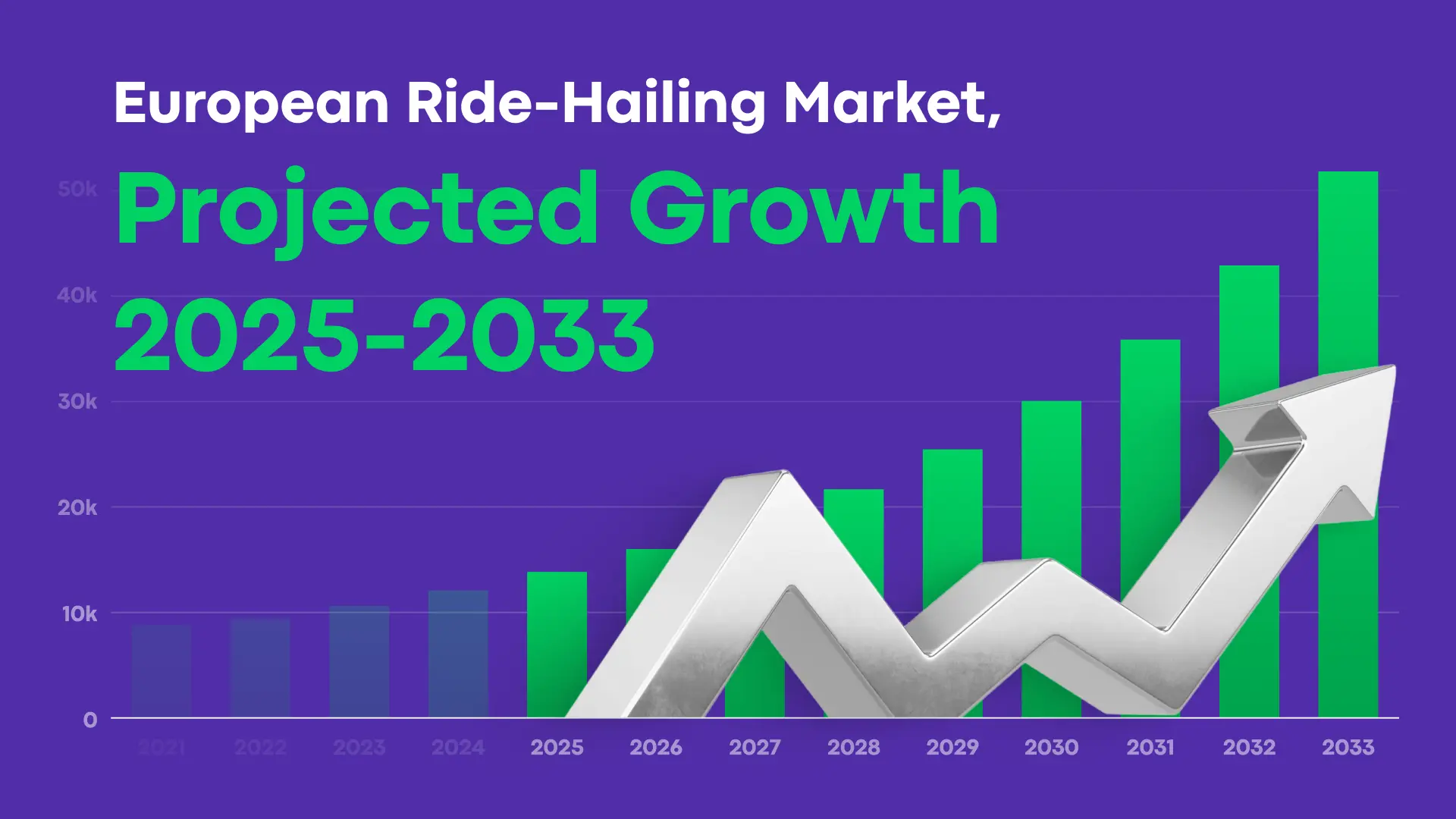
Europe’s passenger transport market is going through major changes. New regulations, electrification, and growing competition are putting pressure on traditional taxi and ride-hailing businesses, both operationally and financially. Operators that adapt to these changes will survive and grow; those that don’t may struggle to stay competitive. The stakes are higher than ever: the region's ride-hailing sector is projected to grow from $13.7 billion in 2025 to more than $51.6 billion by 2033.
Unlike markets in Asia or the U.S., growth in Europe isn’t driven mainly by scale or price competition. Instead, operators have to navigate complex regulations, labor laws, and driver shortages.
However, as it often happens, the same disruptive forces are also presenting new opportunities. Modern technology, automation, and specialized services help independent fleets to compete more effectively, even against global giants.
In this report, we'll focus on the four major trends reshaping European mobility in 2026 and beyond, what they mean for operators, and what steps are needed to adapt.
1. Regulations turn into the main competitive barrier
What’s happening
The biggest change comes from the new Platform Work Directive introduced by the European Union. Among other things, it establishes a so-called presumption of employment: if a platform controls how drivers work through pricing, performance monitoring, or task allocation, those drivers may legally be treated as employees. For taxi and ride-hailing operators, this challenges the traditional contractor model and can lead to higher labor costs, including minimum wage, paid leave, and social contributions.
Another requirement concerns algorithmic transparency. Companies will be prohibited from analyzing drivers’ emotions, behavior, or private communications with AI. Besides, drivers must be able to understand how automated decisions about them are made, and human oversight will be required for major decisions such as account suspension access or performance penalties.
|
Key deadlines
|
Operational Requirement
|
|
|---|---|---|
| Germany |
January 1, 2026 |
Every taxi must have a Technical Security Device (TSE) installed and certified. |
| Spain (Catalonia) |
Throughout 2026 |
When existing urban private-hire (VTC) licenses expire, they will no longer be renewed. |
| EU-Wide |
December 2, 2026 |
Each EU country must convert the Platform Work Directive into national law. |
| Germany | Spain (Catalonia) | EU-Wide | |
|---|---|---|---|
|
Key deadlines
|
January 1, 2026 |
Throughout 2026 |
December 2, 2026 |
|
Operational Requirement
|
Every taxi must have a Technical Security Device (TSE) installed and certified. |
When existing urban private-hire (VTC) licenses expire, they will no longer be renewed. |
Each EU country must convert the Platform Work Directive into national law. |
Local fiscal mandates are also becoming more complex and can directly affect operations. In Germany, taxi fleets must install government-approved Technical Security Devices (TSE) that record trip and payment data to prevent tax fraud. Meanwhile, in Catalonia (Spain), regulatory reforms proposed for VTC (Vehicle for Hire with Driver) services include stricter booking conditions and licensing limitations. Authorities are also requiring professional drivers to demonstrate a minimum B1 level of Catalan.
What this means for business owners
For taxi operators, new regulations translate into practical pressures:
- Costly hardware compliance
- Higher administrative workload
- Need for automated documentation and billing transparency
- Increased risk when relying on fragmented tools
- Importance of secure, GDPR-compliant data infrastructure
How businesses should respond
- Centralize operations. Combine dispatch, billing, driver management, compliance tracking, and reporting in one system.
- Automate compliance. Manage driver documents, financial records, and regulatory reporting automatically instead of manually.
- Stay flexible for new hardware requirements. Whether it’s certified taximeters, security modules, or EV infrastructure, your systems should be able to integrate them easily.
Companies using automation-driven platforms built for European regulations — such as iCabbi, Atom Mobility, and Onde — can handle these changes with less extra work and cost. Those still relying on fragmented software and manual processes are more likely to face rising expenses and service disruptions.
2. Electrification: from cost burden to profit lever
What’s happening
Across Europe, the transition to electric vehicles (EVs) is an immediate operational reality. Cities are introducing low-emission zones and governments are setting fleet requirements, which means operators need to adapt quickly or risk fines and restrictions.
For example, in France, the Loi d'Orientation des Mobilités (LOM) imposes fleet renewal quotas that can trigger annual taxes if targets are missed. In Spain, low-emission zones are expanding to all major urban areas.
The big question for mobility operators is whether electrification can be profitable. Electric vehicles usually cost more upfront, and charging infrastructure can be expensive to install. For larger fleets, depots may need major power upgrades — sometimes 2 megawatts (MW) or more.
Fortunately, lifecycle economics are improving. Lower maintenance costs, cheaper energy per kilometer, and exemptions from urban restrictions help EVs narrow the gap with combustion vehicles. Interesting new opportunities are also emerging, including smart charging optimization and vehicle-to-grid (V2G) energy participation.
What this means for taxi and mobility business owners
Electrification changes the economics of a mobility business in several ways:
- Higher upfront investment in vehicles and infrastructure is needed.
- Fleet utilization is more important to profitability than ever.
- Fleet management becomes more complex due to energy planning.
- Pricing strategies must evolve to protect margins.

How businesses should respond
- Maximize vehicle utilization. Reduce idle time through smarter dispatch and demand forecasting.
- Control energy costs. Optimize charging schedules to avoid peak electricity tariffs; plan operations around vehicle range.
- Adapt pricing. Introduce dynamic pricing, zone-based fares, and premium pricing for high-cost trips such as airport transfers or intercity rides.
Taxi software platforms with tools like advanced analytics, flexible pricing, and AI-powered dispatch can help operators turn electrification into an advantage instead of just another cost.
ICE vs EV vehicle expenses comparison
While EVs cost more upfront, their lifecycle costs are becoming increasingly competitive. Studies indicate that battery electric vehicles are expected to match internal combustion engine (ICE) prices between 2025 and 2027. For a taxi operator, the long-term savings come from lower fuel costs, reduced maintenance, and exemptions from low-emission zone charges.
|
Internal Combustion Vehicle
|
Battery EV
|
Notes
|
|
|---|---|---|---|
| Upfront vehicle cost |
€25,000 |
€35,000 |
Price parity expected around 2027 |
| Annual maintenance |
€4,500 |
€2,500 |
Fewer moving parts reduce costs |
| Fuel / energy costs per year |
€6,000 |
€2,000 |
Electricity cheaper than petrol/diesel in most European markets |
| Low-emission zone fees |
€0–€3,000 |
€0 |
EVs exempt in many cities |
| Depot grid upgrade (2MW) |
N/A |
€200,000–€400,000 one-time |
Required for large fleet charging; costs vary by location |
| Potential secondary revenue (V2G) |
N/A |
€500–€1,500 per vehicle |
Selling electricity back to grid during peak demand |
| Upfront vehicle cost | Annual maintenance | Fuel / energy costs per year | Low-emission zone fees | Depot grid upgrade (2MW) | Potential secondary revenue (V2G) | |
|---|---|---|---|---|---|---|
|
Internal Combustion Vehicle
|
€25,000 |
€4,500 |
€6,000 |
€0–€3,000 |
N/A |
N/A |
|
Battery EV
|
€35,000 |
€2,500 |
€2,000 |
€0 |
€200,000–€400,000 one-time |
€500–€1,500 per vehicle |
|
Notes
|
Price parity expected around 2027 |
Fewer moving parts reduce costs |
Electricity cheaper than petrol/diesel in most European markets |
EVs exempt in many cities |
Required for large fleet charging; costs vary by location |
Selling electricity back to grid during peak demand |
Note: All figures are illustrative estimates based on industry trends and typical European fleet scenarios. Actual costs and savings will vary by country, fleet size, and energy pricing.
3. Local fleets use tech and specialization to reclaim markets
What’s happening
Europe’s mobility market is highly fragmented. Local licensing rules and city regulations stop any single global platform from taking over. Traditional operators still handle a large share of urban trips, often accounting for 30–50 % of ride demand in medium-sized cities. At the same time, technology is becoming more accessible. Independent fleets can now use advanced AI tools like demand forecasting and smarter dispatch to match drivers to riders more efficiently.
This combination of fragmentation and technology parity lets local operators challenge international apps on more than just price. Many operators choose to move toward high-margin niches:
- Medical and non-emergency patient transport
- School and assisted mobility
- Airport and long-distance intercity transfers
- Corporate mobility and shuttle services
Another trend is federated local mobility, where multiple regional operators collaborate or share technology infrastructure to offer customers an experience comparable to Uber and Bolt, but retaining local ownership and brand identity.
What this means for taxi and mobility business owners
- Focusing on specialized services can earn higher margins than competing with generic on-demand rides.
- Customers expect the convenience of an Uber-like app, but with reliable local service.
- Strong branding and direct customer relationships are becoming key assets.
How businesses should respond
- Specialize instead of competing broadly. Focus on higher-value segments where reliability matters more to the riders than price.
- Build direct customer channels. Invest in branded apps, web booking, and partnerships with local institutions.
- Adopt modern dispatch and automation. AI-powered demand forecasting and driver allocation can improve utilization without the need to increase fleet size.
- Expand services on one platform. Multi-service capabilities create additional revenue streams from the same customer base.
By combining local authenticity with high-quality digital experience, smaller fleets can defend themselves well against global platforms.
4. The driver crisis continues
What’s happening
Europe is facing a severe shortage of professional drivers. Across the road transport sector, the shortage is estimated at around 500,000 unfilled driver positions. The gap is expected to grow as older drivers retire, fewer young workers enter the profession, and work permit rules for non-EU labor become stricter.
Taxi and ride-hailing are not isolated from this trend. In Ireland, for example, The National Transport Authority figures show that there were 26,360 taxis operating nationwide in 2023, a decrease of 1,033 from 27,393 in 2019.
At the same time, the nature of the job is changing. Forced to adapt to app-based dispatch and algorithmic pricing, experienced drivers may feel frustrated by new technology.
Driver expectations are also rising. When choosing where to work, they pay just as much attention to predictable workload and fair platform treatment as to the number in the contract.
What this means for taxi and mobility business owners
- Recruitment is getting harder and more expensive
- Driver churn directly impacts profitability and service reliability
- Workforce management must evolve to balance electrification, AI, and fairness
How businesses should respond
- Provide predictable earnings. Give drivers clear, reliable income and easy-to-understand pay structures.
- Treat drivers as long-term partners. Focus on retention, engagement, and fair treatment.
- Appoint “change ambassadors.” Trained specialists can help drivers bridge legacy processes with AI-driven operations.
- Simplify onboarding and operations. Use automation to allow managers to focus on driver engagement.
- Stay compliant across borders. Monitor legal and labor regulations to ensure recruitment strategies remain effective.
Human capital is the bottleneck that will define growth in 2026. The most advanced AI, electrified fleet, or dispatch system cannot succeed without a skilled and engaged workforce.

What it takes to compete in 2026
A market projected to exceed $51 billion by 2033 sounds like a tempting opportunity. But capturing a share of it means handling growing pressures better than the competition.
Today, the right ride-hailing software gives European operators this edge. Of course, software won’t hire drivers or build charging infrastructure for you. But it can:
- automate dispatch
- simplify compliance,
- improve coordination with drivers
and much more, freeing up time and resources to focus on the bigger challenges.
If you're exploring automation, start by reviewing the top ride-hailing platforms in Europe to understand the main tools available on the market. You can also explore Onde alternatives to compare different providers and approaches before making a decision.
Like the article? Share it with your friends!
Related posts
-
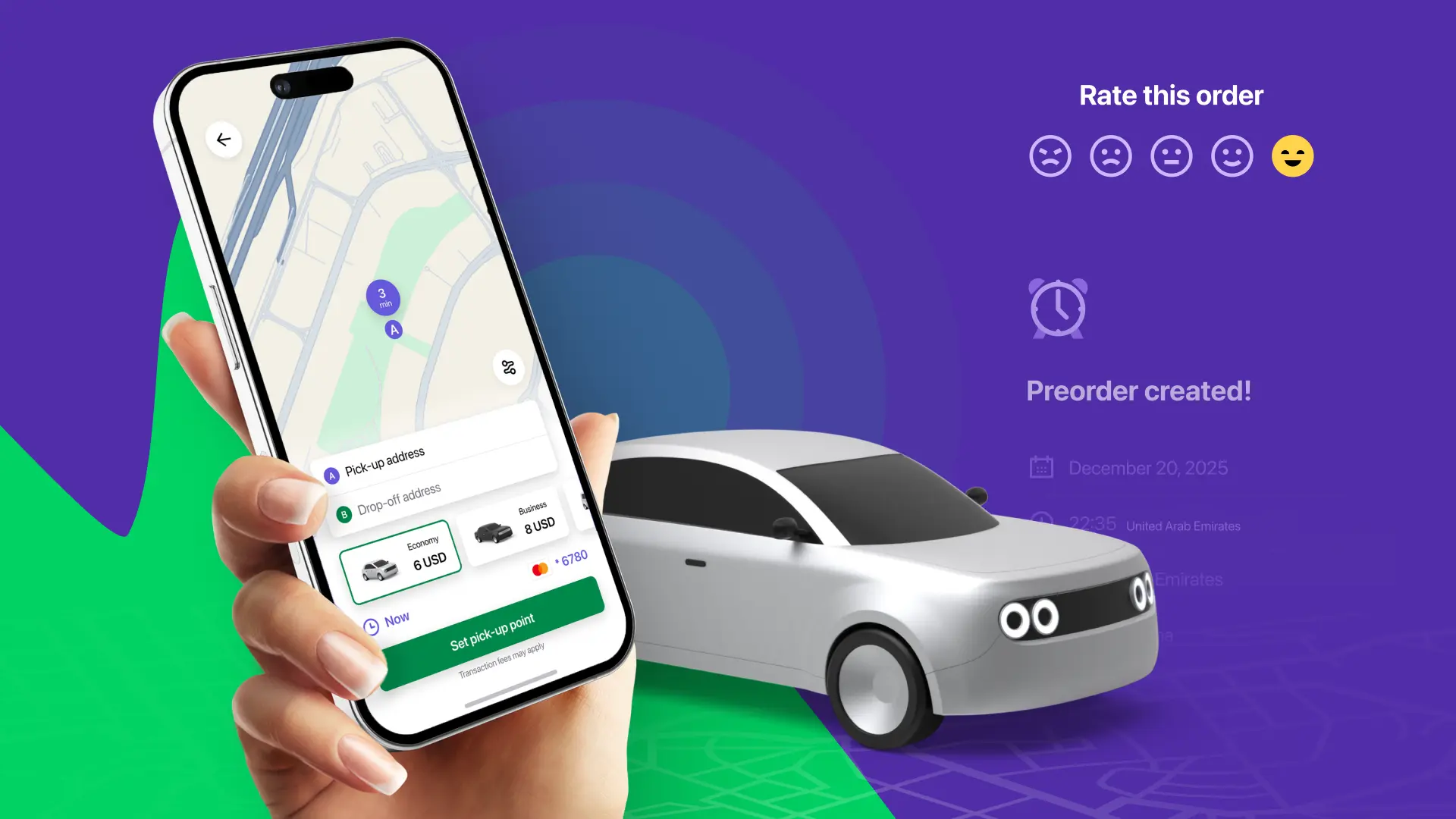 The global ride-hailing market continues to expand as passengers and drivers are looking to optimize their lifestyle and spend less time commuting. Modern technology platforms now power everything from local taxi fleets to large ride-hailing networks operating across multiple cities.
Top Ride-Hailing Platforms 2026: How to Choose the Right Solution for Your Mobility Business
-
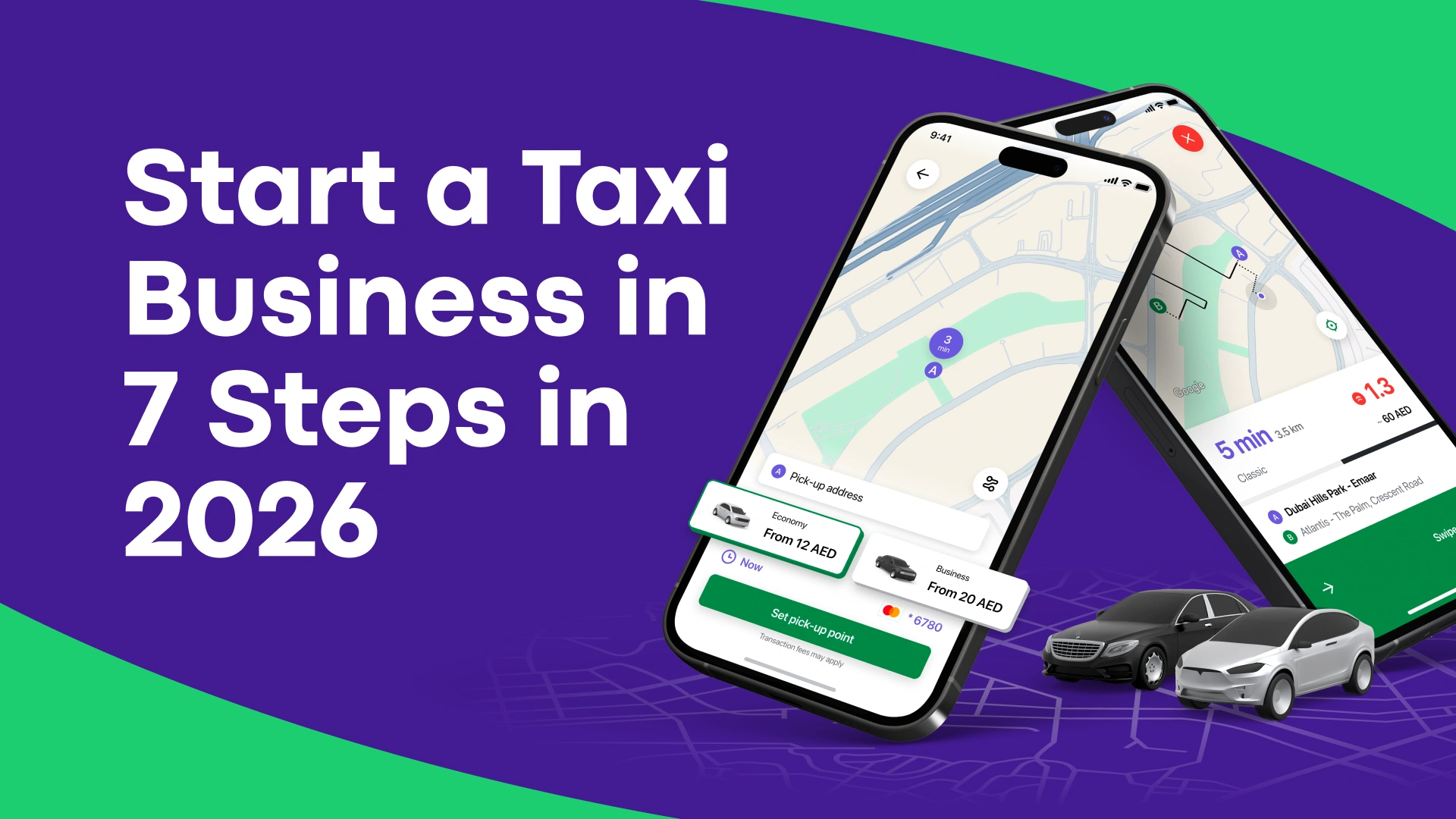 The taxi and ride-hailing industry continues to evolve rapidly, with strong growth expected through the decade. If you’re one of the entrepreneurs jumping on this opportunity, we’re here to support you.
Start a Taxi Business in 7 Steps in 2026
-
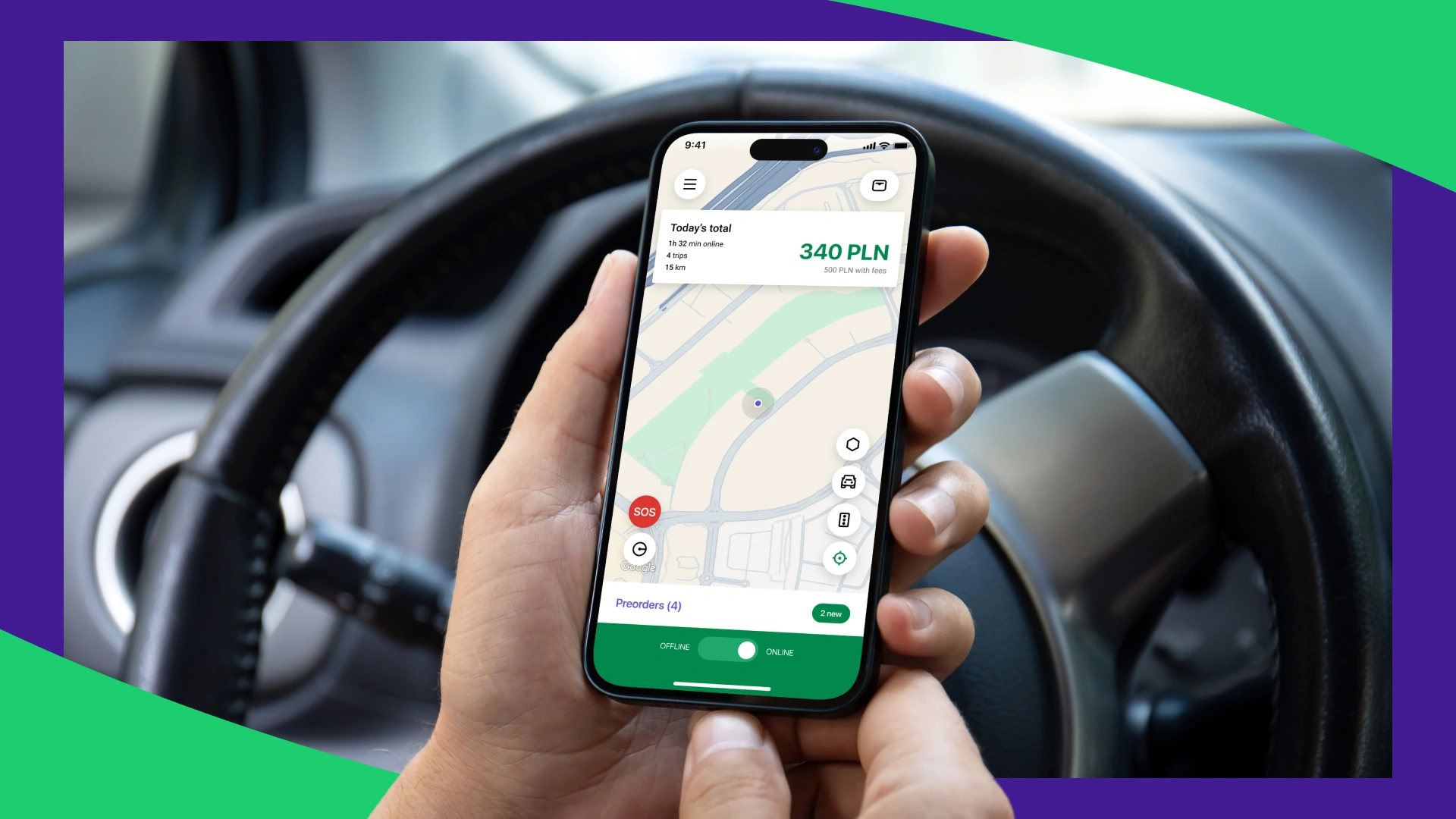 Discover the true cost of building an Uber-like app in 2026 for taxi businesses. Compare custom development vs white-label platforms to save time and money.
Uber-Like App Development in 2026: Costs, Pitfalls, and a Smarter Way to Launch
Aiming for the Stars?
Subscribe to get helpful guides and product updates in your inbox!

We will get in touch with you shortly